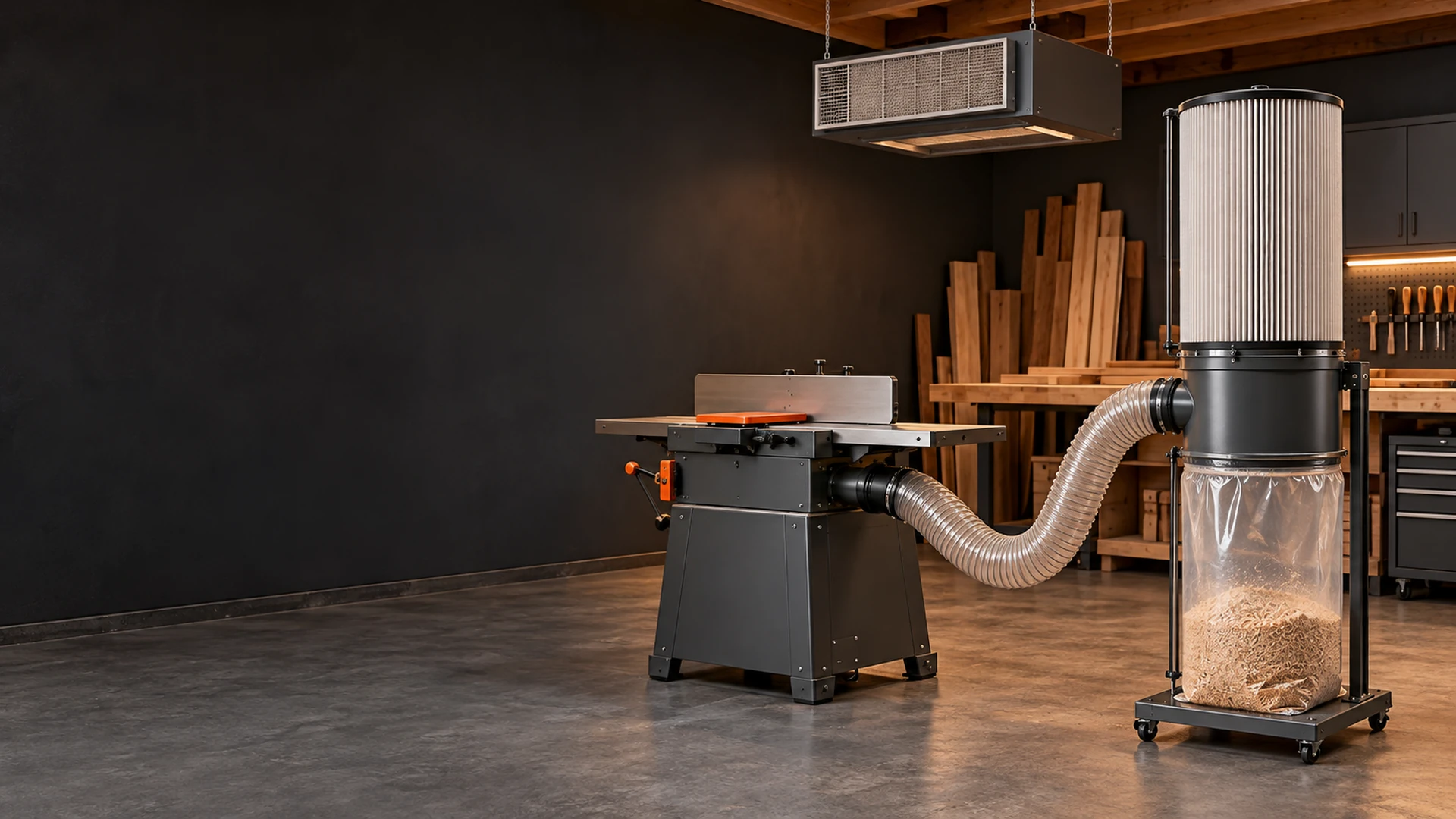
CLAMPING, BENCH VISES & WORKHOLDING GUIDES
Workholding & Accessories
Secure the work before you cut, drill, glue, or shape it. Compare vises, parallel clamps, quick-release clamps, corner clamps, holdfasts, and bench dogs by the job they actually perform.
Affiliate disclosure: As an Amazon Associate, WorkshopGearGuide may earn from qualifying purchases made through links on this page, at no additional cost to you.
Quick Answer: Which Workholding Tools Do You Need?
Bench-mounted metalwork: start with a properly mounted bench vise sized for the stock you handle. Panel glue-ups: use parallel-jaw clamps that can distribute pressure without twisting the assembly. Fast positioning: one-handed bar clamps save setup time, but do not replace heavy-duty clamping. Hand-tool woodworking: match holdfast shafts and bench dogs to the actual hole diameter and bench thickness.
Match the tool to the holding job
Four Workholding Systems, Four Different Jobs
A vise, a long-reach clamp, and a bench holdfast are not interchangeable. Start with the workpiece geometry, required access, and how much force or repeatability the operation needs.
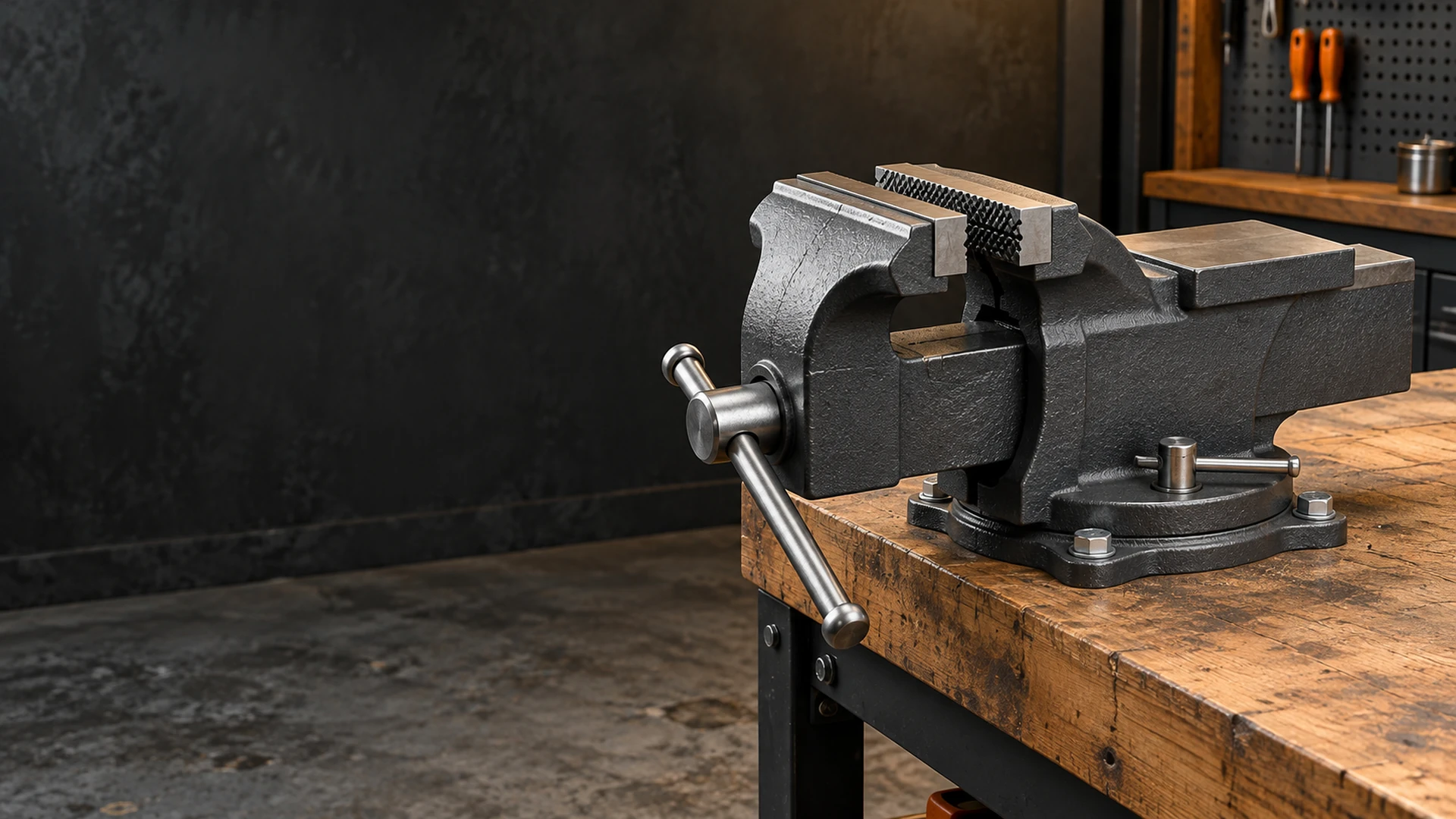
Bench vises for fixed gripping
A mounted vise holds metal, hardware, or small parts securely while filing, drilling, or assembling. Compare jaw width, opening, mounting footprint, and whether protective jaw pads are needed.
Compare bench vises →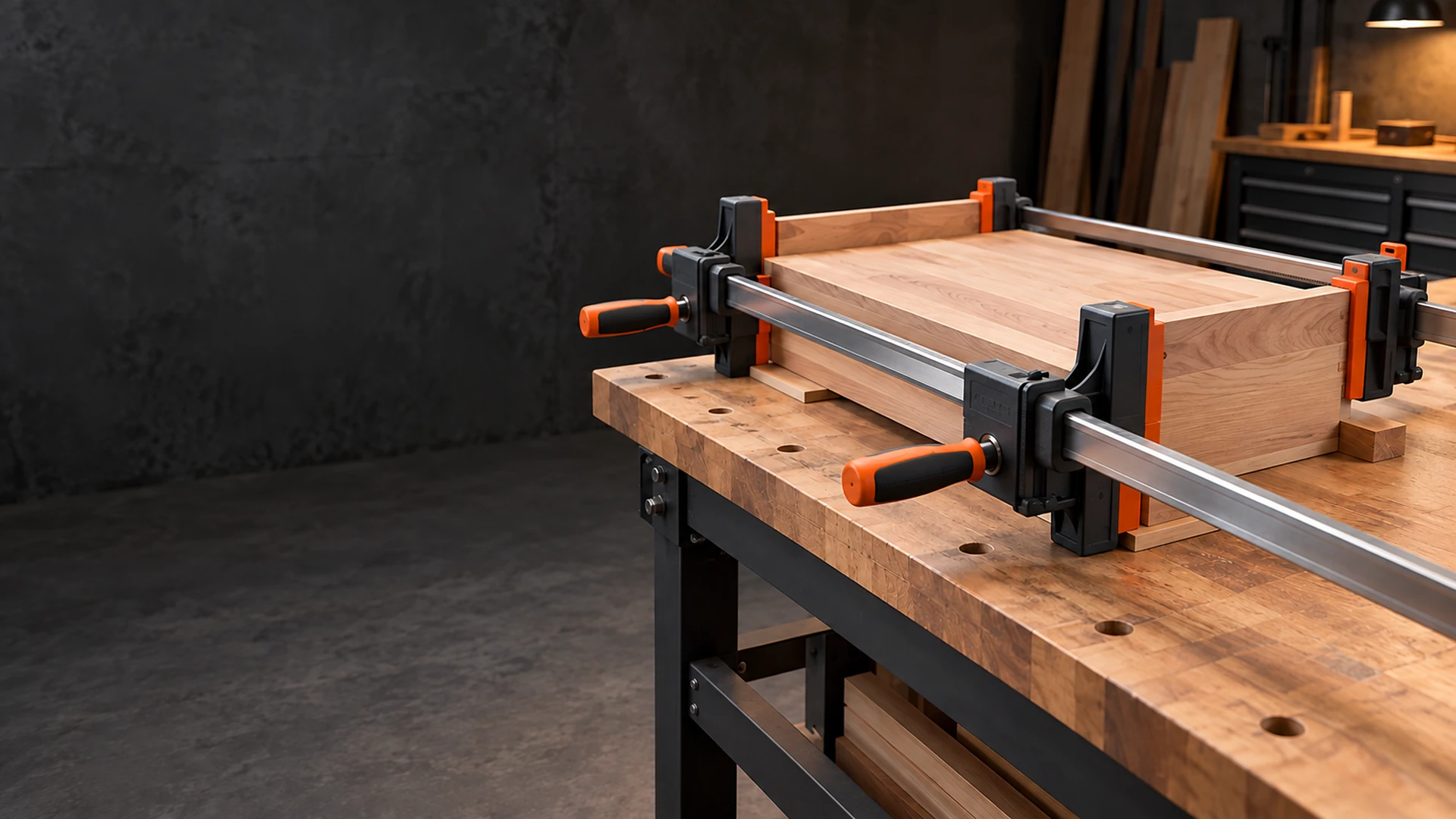
Parallel clamps for glue-ups
Parallel-jaw clamps help keep cabinet and panel assemblies aligned. Evaluate usable capacity, jaw depth, bar rigidity, and how easily pressure can be applied evenly.
Compare parallel clamps →Quick-release and corner clamps
One-handed bar clamps are useful for positioning; corner clamps help establish right angles during assembly. Neither automatically guarantees square results.
Compare wall racks →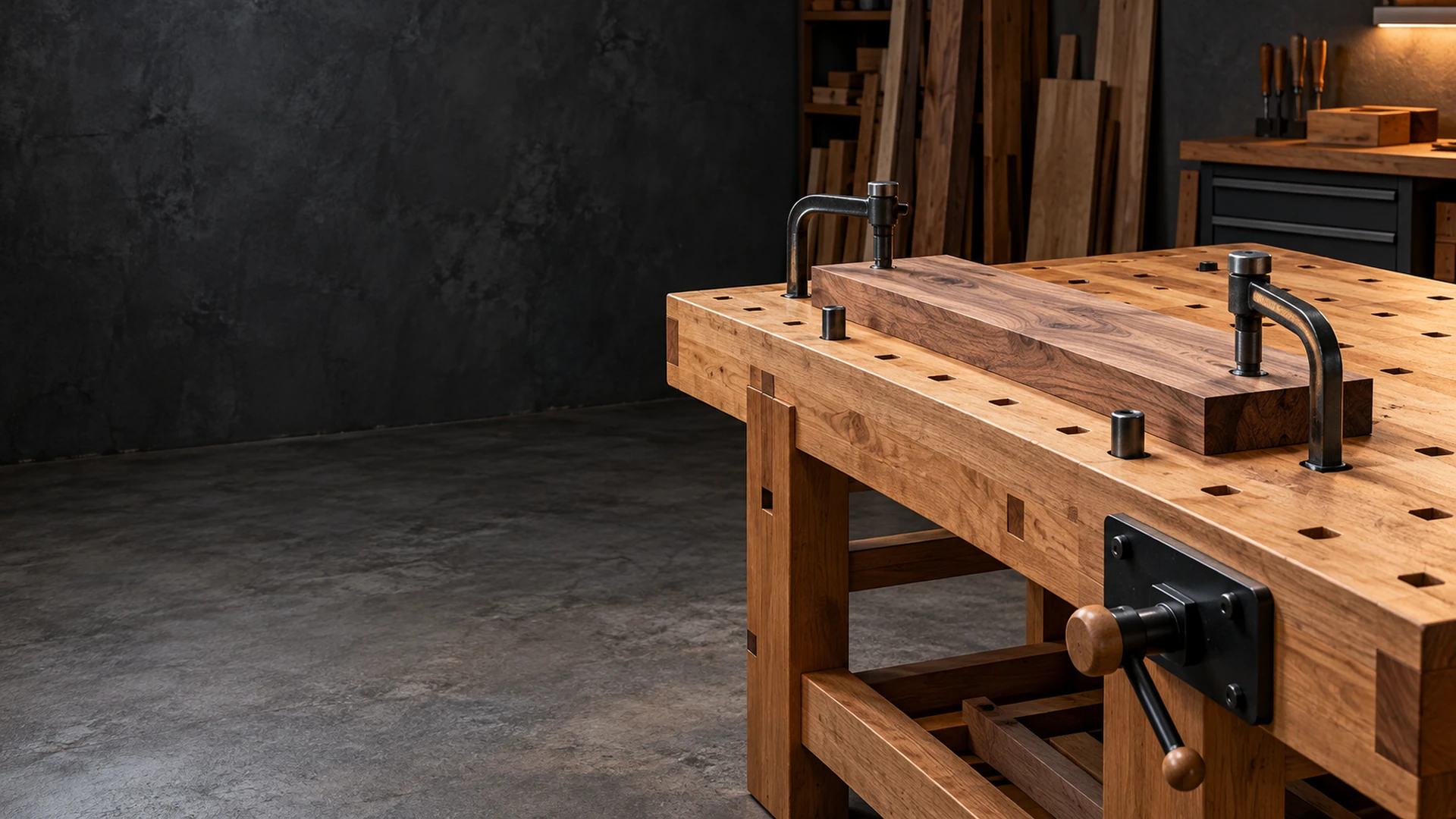
Bench dogs and holdfasts
Bench-top workholding can secure boards without a bulky clamp across the work surface. Hole fit, top thickness, and clearance under the bench determine compatibility.
Compare bench holdfasts →Before you buy
Six Checks That Prevent Workholding Mismatches
Clamping force alone does not determine whether a tool will hold a particular part safely. Check geometry, mounting, access, and material protection before ordering.
Browse the complete collection
Workholding & Accessories Buying Guides
Six focused guides grouped by how the work is held. Choose the holding method first, then compare the features that matter for your bench and material.
Bench-mounted gripping
A fixed reference point for metalwork and general bench tasks.
Panel and assembly clamps
Control alignment and pressure during glue-ups and assembly.
Square-corner assembly
Position frames and boxes while checking the angle independently.
Bench-top holding
Use bench holes and stops for repeatable woodworking workholding.
Plan your bench workflow
Build a Reliable Workholding Setup in Five Steps
1. Identify the operations
List cutting, drilling, sanding, filing, glue-up, and hand-planing tasks. Each applies force in a different direction, so choose holding methods by operation.
2. Check the bench and mounting points
Measure bench-top thickness, edge overhang, underside obstructions, and hole spacing. Confirm the bench can resist the loads a vise or holdfast introduces.
3. Place the vise where access is clear
Leave room for long stock and for handles to rotate. Consider whether your dominant working position and the bench legs interfere with the vise.
4. Build a practical clamp mix
Start with a few clamps sized for your actual projects. Add specialty corner clamps or longer parallel clamps only when repeat jobs justify them.
5. Test grip before machining
Apply force by hand in the expected working direction, inspect for slipping, and reposition or pad the contact surfaces before starting the tool.
For broader planning, see the garage workshop setup and workbenches and workstations hubs.
Choose the clamp or vise that matches your next project
Working with metal parts? Compare bench vises. Assembling cabinets? Start with parallel clamps. Working on a traditional bench? Check holdfast compatibility before buying.
Common questions
Workholding & Accessories FAQs
Do I need a bench vise if I already have bar clamps?
A bench vise provides a fixed gripping point that can be convenient for filing, shaping, or holding small parts. Bar clamps are more flexible for assemblies and workpieces away from the bench edge; many shops use both.
How many parallel clamps do I need for a panel glue-up?
The number depends on panel length, stock stiffness, joint preparation, and the clamp manufacturer’s guidance. Dry-fit the assembly and plan clamp positions so pressure is distributed rather than concentrated at one end.
Can quick-release clamps replace screw clamps?
They can speed up light positioning and many assembly jobs, but grip strength, reach, and jaw stability vary. Use a clamp rated and designed for the actual task rather than assuming one-handed operation implies equivalent holding force.
Will any holdfast fit a three-quarter-inch bench hole?
No. Nominal hole size alone is not enough: shaft diameter, surface finish, hole tolerance, and bench thickness all affect whether a holdfast grips. Check the specific holdfast maker’s fit recommendations.
Do corner clamps guarantee a square frame?
No. They help position the joint, but inaccurate cuts, bowed stock, or uneven pressure can still produce an out-of-square frame. Check diagonals or use a reliable square before the adhesive cures.
Continue building the workshop
Related Workshop Equipment Hubs
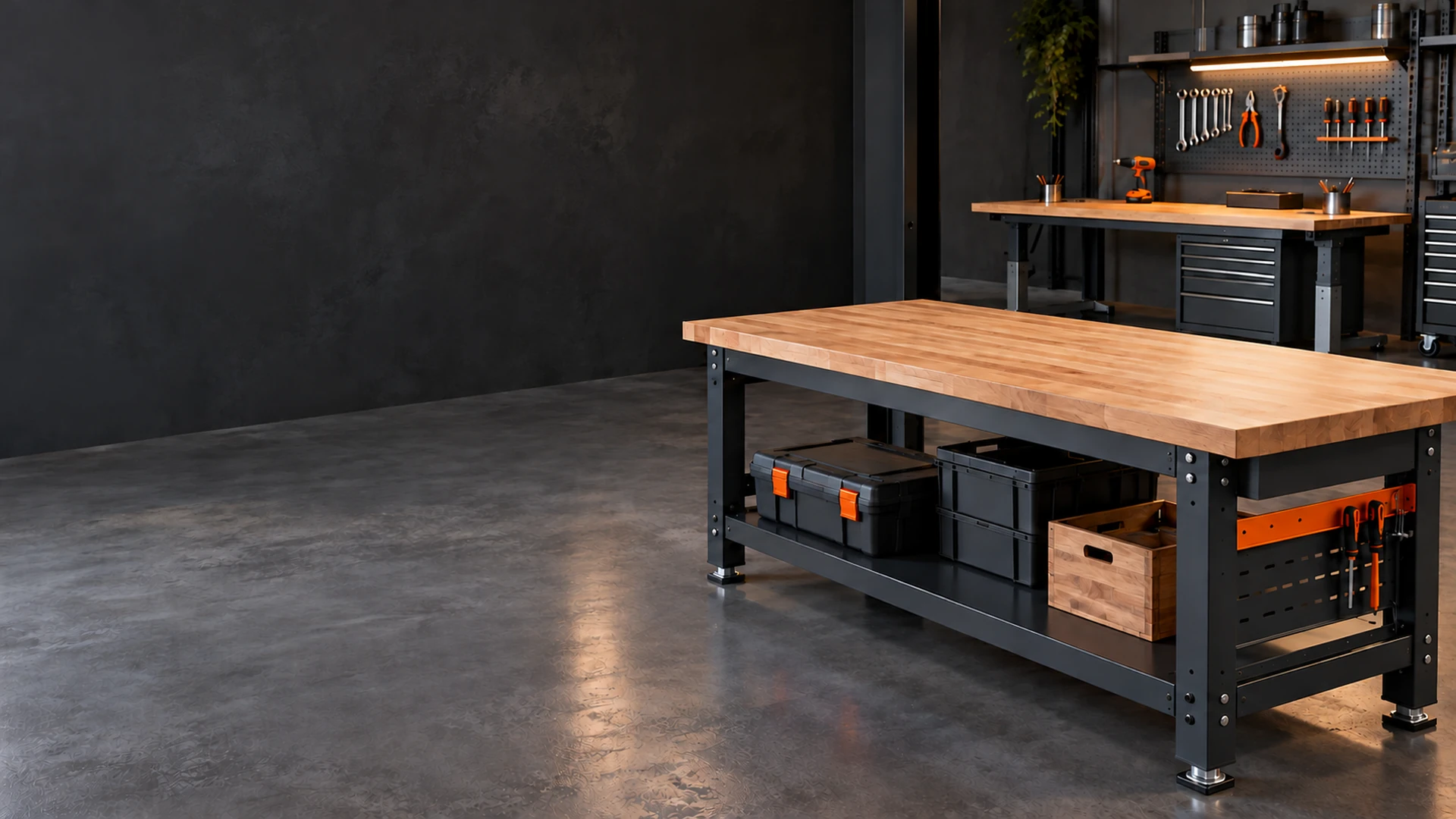
Workbenches & Workstations
Explore hub →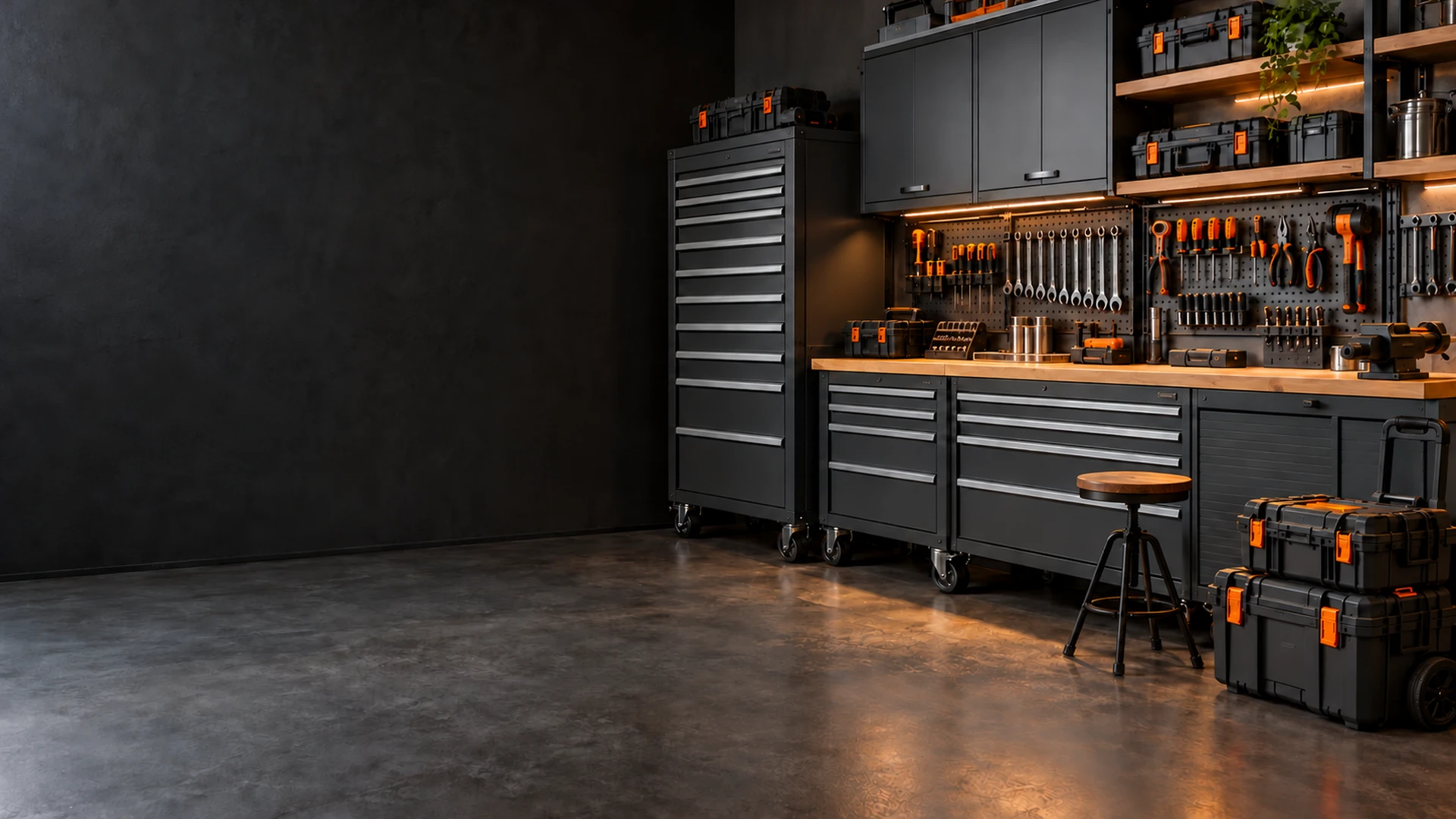
Tool Storage & Organization
Explore hub →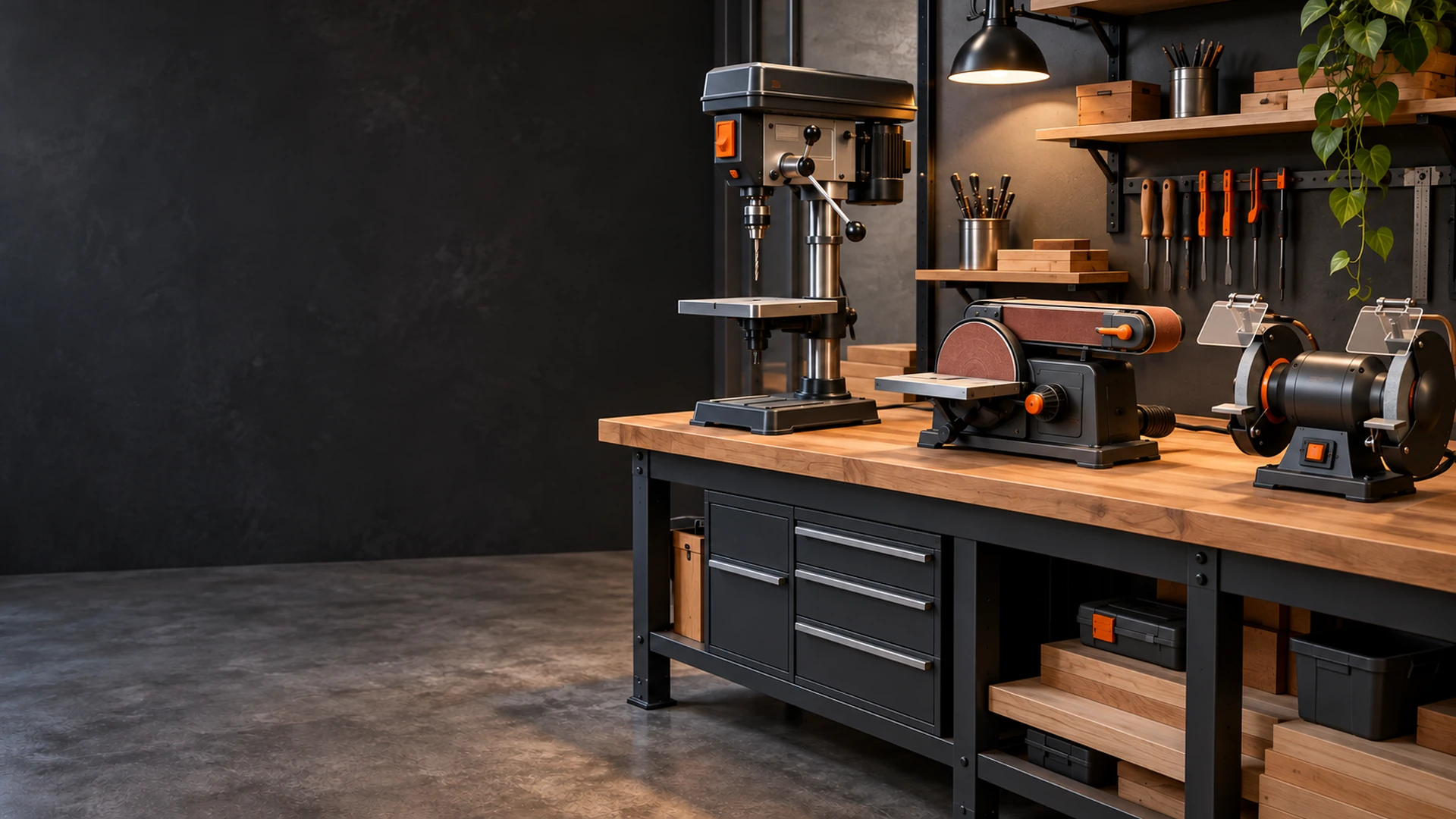
Workshop Machines
Explore hub →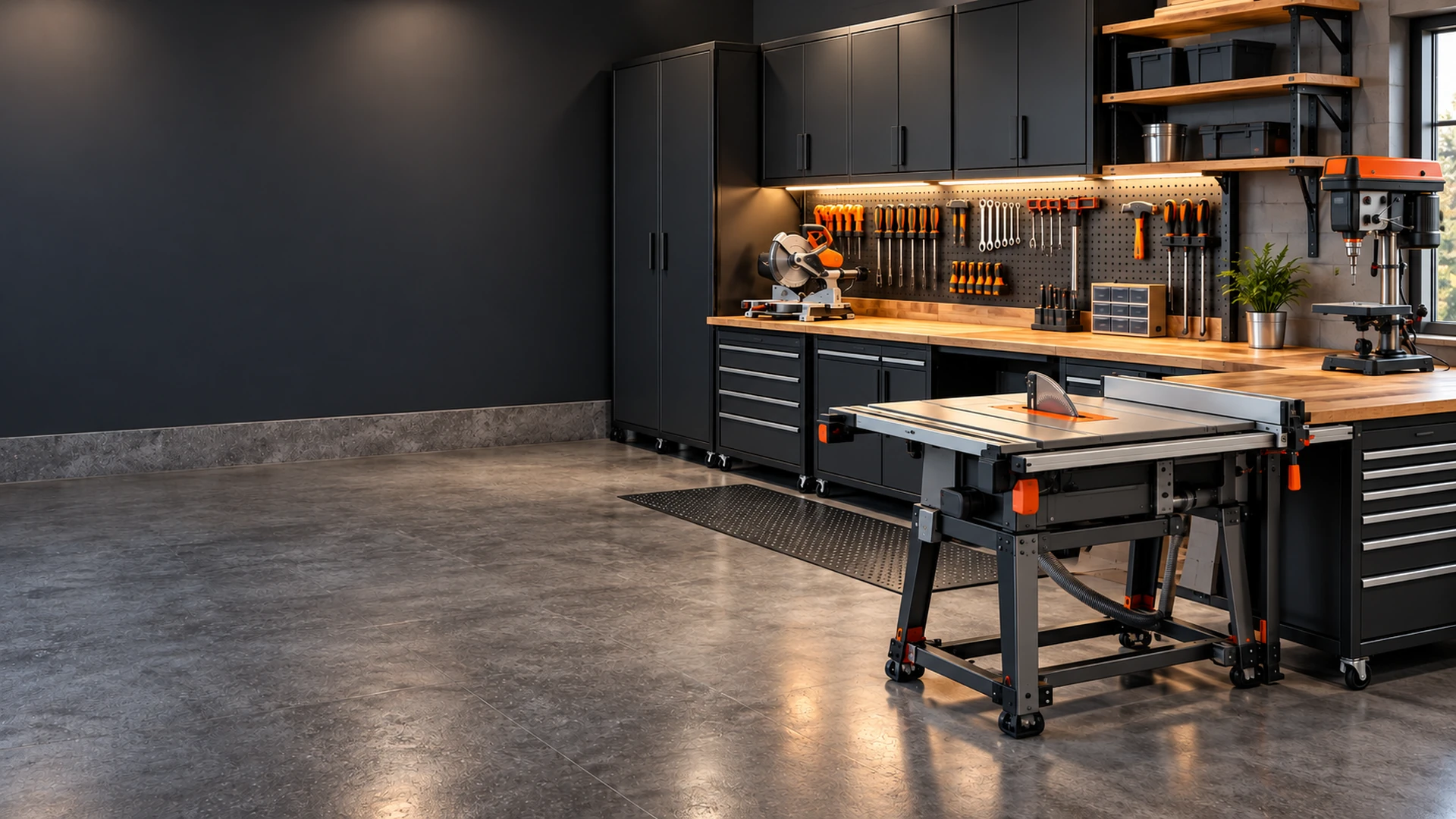
Garage & Workshop Setup
Explore hub →
Precision Cutting Systems
Explore hub →