Workshop work surfaces & buying guides
Workbenches & Workstations
Choose a bench that fits the work—not just the garage wall. Compare fixed, adjustable, folding and mobile workstations by working height, rigidity, clamping access and actual usable space.
Affiliate disclosure: As an Amazon Associate, WorkshopGearGuide may earn from qualifying purchases made through links on this page, at no additional cost to you.
Quick Answer: Which Workbench Fits Your Projects?
Heavy assembly or hand-planing: favor a rigid, well-braced bench with dependable workholding. Shared or mixed tasks: an adjustable-height surface helps position the work comfortably. Limited floor space: a folding worktable saves storage room, but inspect its working load and stability. Large glue-ups: choose an accessible assembly surface with room for clamps on multiple sides.
Start with how you work
Four Workbench Types, Four Different Priorities
A solid woodworking bench, a mobile assembly table and a fold-up work center may all be called workbenches, but they solve different problems. Match the surface to the forces, workpiece sizes and storage constraints you actually have.
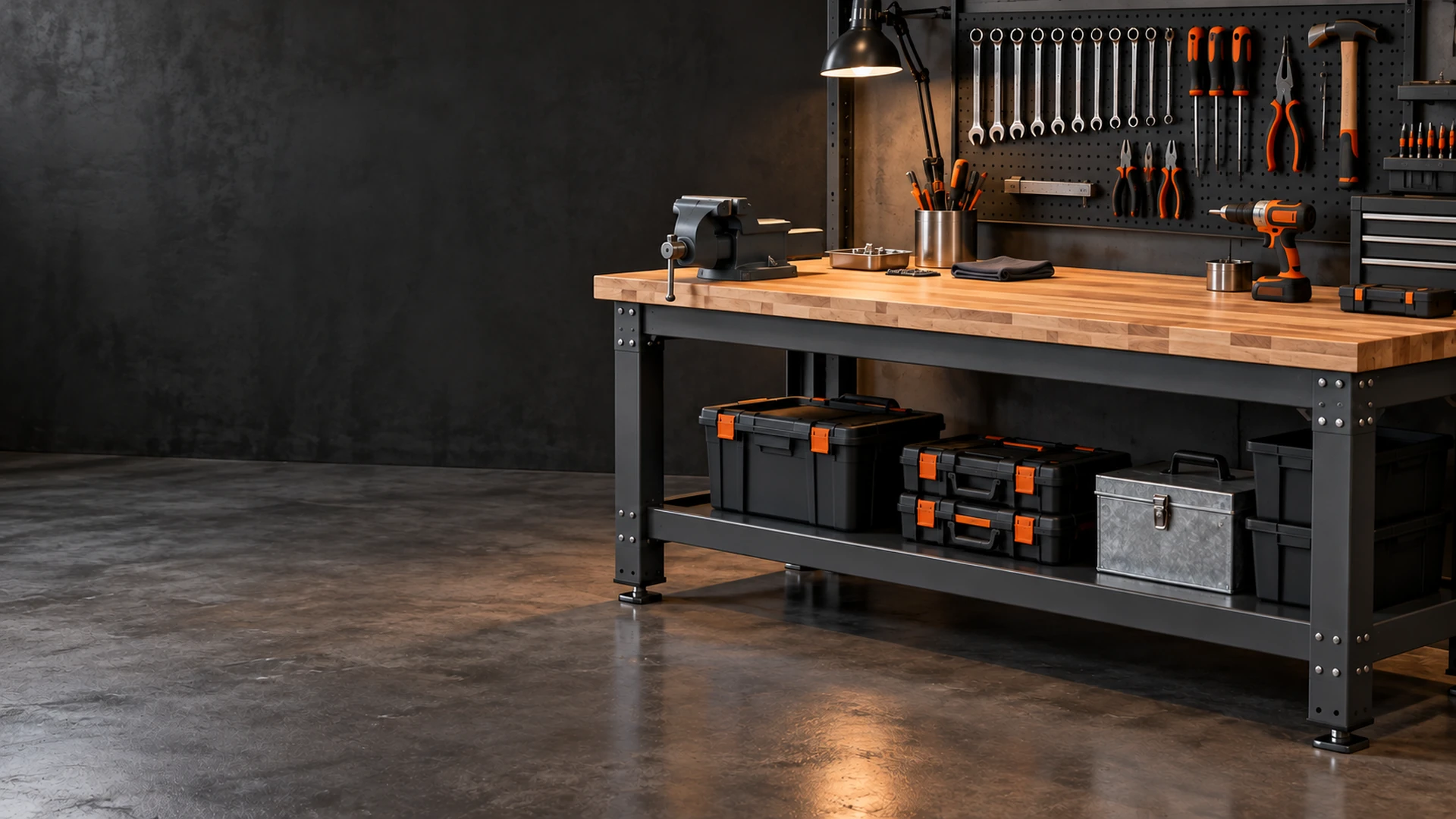
Fixed heavy-duty benches
For repeated forceful work, inspect frame bracing, top thickness, anchoring options and vise mounting. A high advertised capacity cannot compensate for racking under side loads.
Explore heavy-duty workbenches →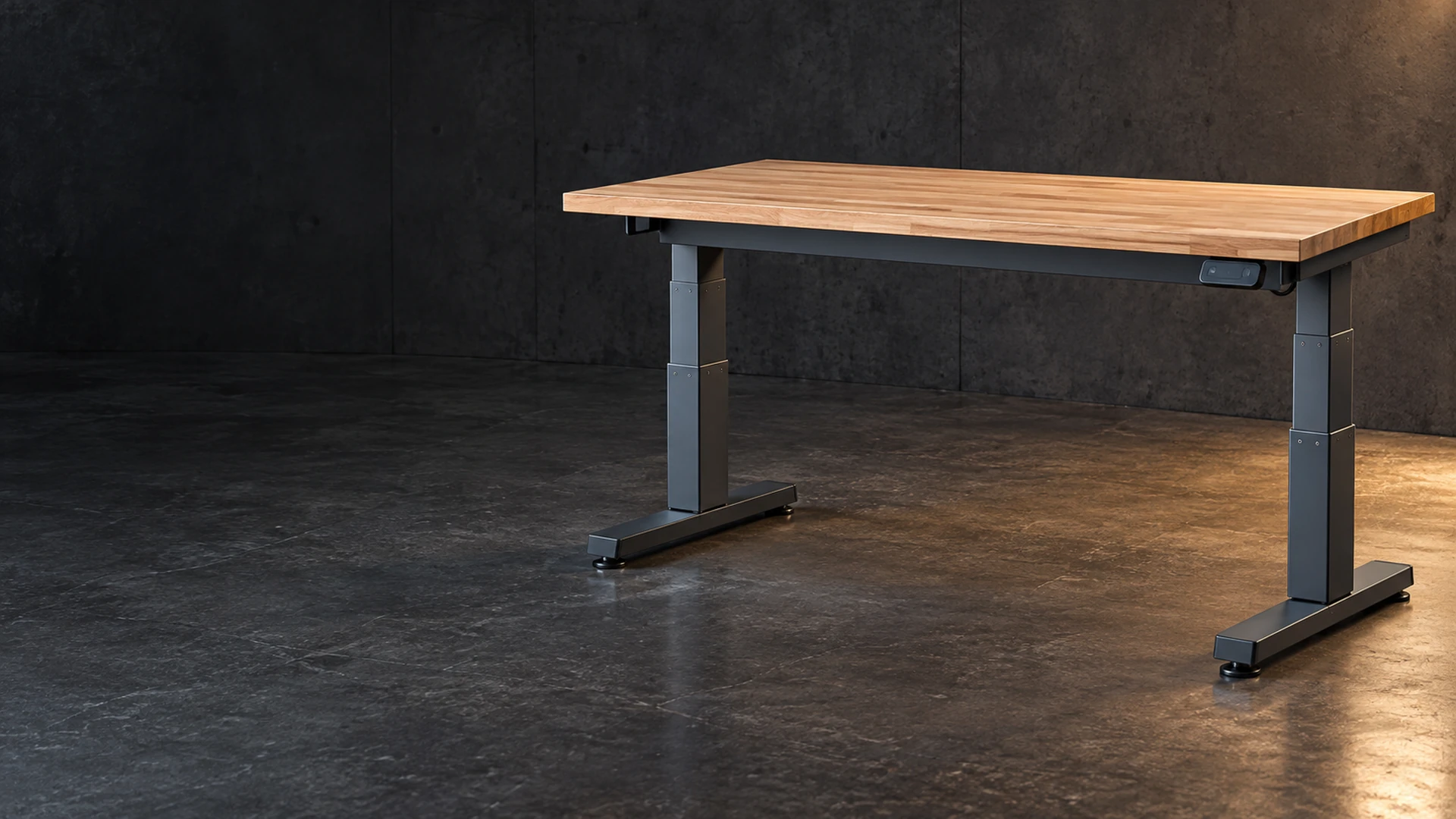
Adjustable-height stations
For shared shops and alternating detailed and forceful tasks, compare adjustment range, mechanism, stability at maximum height and load rating while moving.
Explore adjustable height workbenches →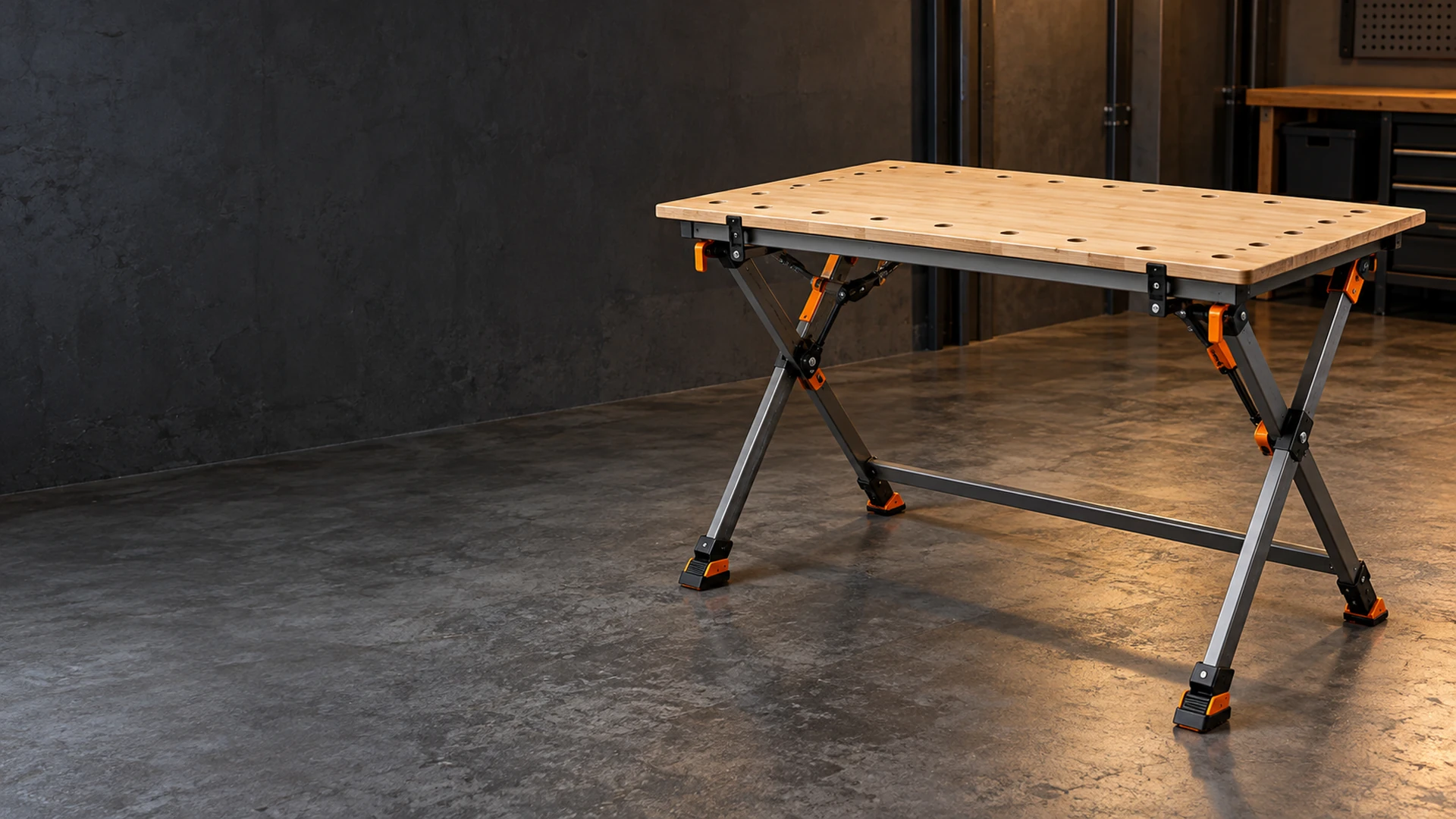
Folding portable tables
For temporary spaces, prioritize deployed footprint, positive leg locks, clamp access and the weight you must carry—not merely the folded thickness.
Explore folding workbenches →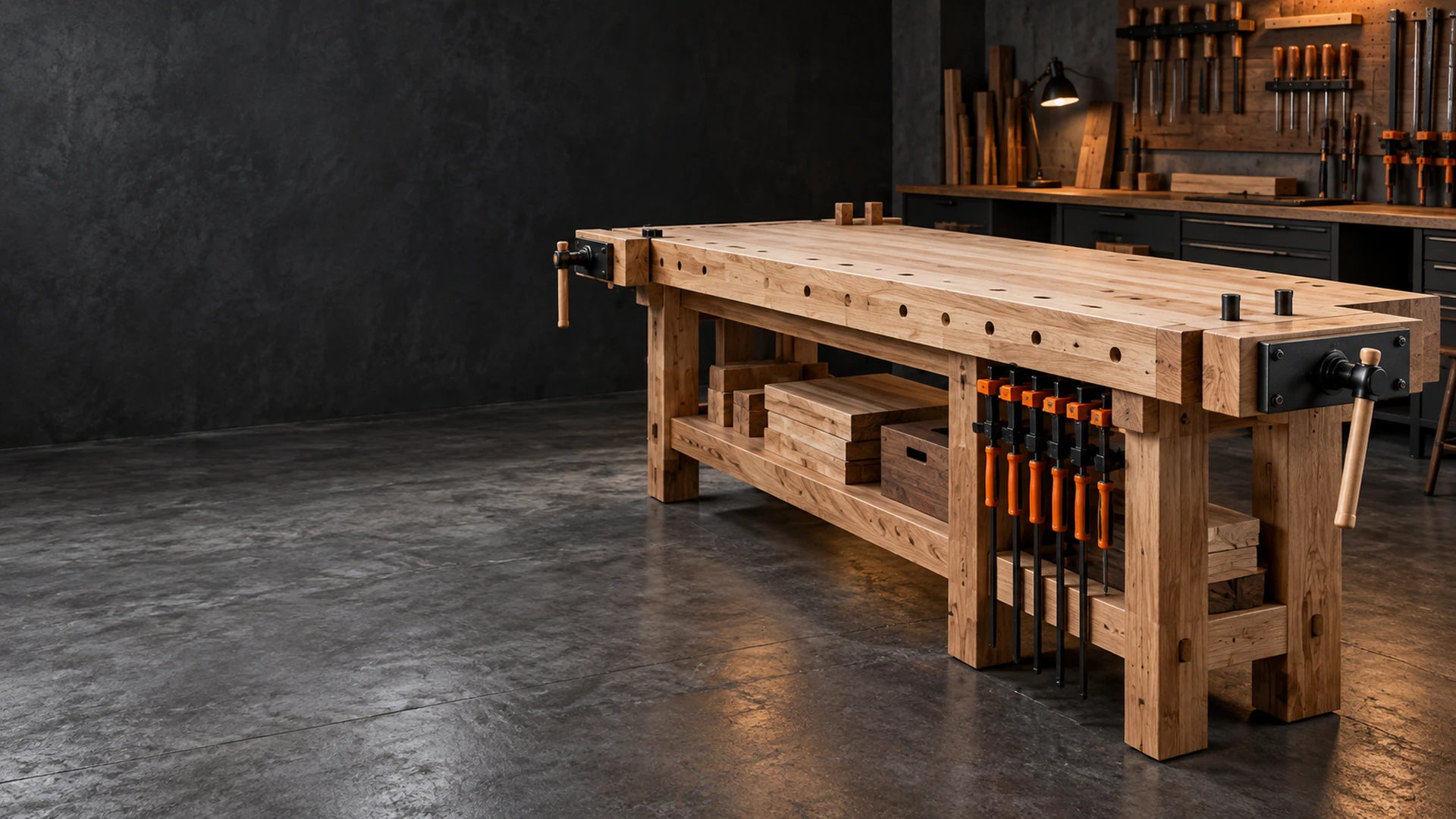
Woodworking assembly benches
For joinery, glue-ups and planing, consider a flat top, dog holes or vise compatibility, access around the work and room for clamp jaws.
Explore woodworking benches →Before you order
Six Measurements That Prevent an Expensive Bench Mistake
The advertised outside dimensions rarely tell you whether a bench is comfortable, stable or usable once a vise, drawers and large workpiece are added. Check these constraints before comparing finishes or accessories.
Browse the complete collection
Workbenches & Workstations Buying Guides
Fourteen focused guides covering bench construction, portability, storage and the work surface accessories that determine how useful a station will be.
Fixed and purpose-built benches
Select the bench structure for forceful tasks, woodwork and easy-clean surfaces.
Adjustable and space-saving benches
Balance changing work height, portability and floor-space limitations.
Storage and mobile workstations
Compare built-in drawers, cabinet bases and rolling platforms.
Work surfaces and bench upgrades
Finish the station with the right top, mat, casters and electrical access.
A practical workshop plan
Plan a Workstation in Five Steps
1. Identify your highest-force task
A bench that works for light assembly may rack under hand-planing or heavy vise work. Decide first whether rigidity, clean assembly space or mobility matters most.
2. Mock up the working height
Stack a temporary surface and try your normal task with the actual workpiece. Check neck, shoulder and wrist position rather than relying on one universal bench-height number.
3. Tape out the real footprint
Mark the bench, opened drawers, vise handle swing and clearance for long stock on the floor. Allow access on the sides where clamps must reach.
4. Match the top to the material
Protect a precision assembly surface from grinding debris and heavy impacts. Consider replaceable sacrificial tops for cutting, adhesives and messy repair work.
5. Plan clamping, wheels and power
Check dog-hole spacing, vise bolts, locking casters, leveling feet and cord routing before ordering. See the workholding and lighting and electrical hubs for related choices.
Choose by the work you need to hold
If you frequently use a vise, start with heavy-duty workbenches and check how the top is supported. If you need to clear the floor after every project, compare folding benches. If different users or tasks demand different heights, start with adjustable-height models.
Common questions
Workbench & Workstation FAQs
What bench height is best for detailed assembly versus forceful work?
There is no single ideal height. Position the actual work at a comfortable level: fine work may benefit from a higher surface, while planing or other high-force tasks often feel better lower. Test a temporary setup before buying.
Can a folding workbench replace a permanent bench?
For occasional assembly and light repairs, often yes. For repeated heavy vise work or forceful hand-tool operations, a fixed, braced bench usually provides more resistance to movement. Compare the maker’s load and operating instructions.
Is a higher weight rating proof that a workbench is more stable?
No. Load ratings often describe supported vertical weight in defined configurations. They do not by themselves establish resistance to side-to-side racking, tipping or movement while using a vise.
Which workbench top is better: wood, steel or composite?
Choose by the task. Wood is practical for woodworking and can sometimes be resurfaced; steel can suit repair and metalwork but may damage delicate parts; composite surfaces vary widely in moisture resistance and fastener holding. Consider a replaceable protective layer.
What should I check before adding casters to a heavy bench?
Verify the total loaded weight, caster ratings, mounting points, floor conditions and whether the bench will be stable when parked. Locking wheels alone may not prevent every kind of movement; leveling feet can be useful.
Do bench dog holes and clamps fit every workbench?
No. Dog-hole diameters, spacing, top thickness and clamp reach vary. Check exact dimensions and whether aprons, drawers or braces block the underside before purchasing accessories.
Continue building the workshop
Related Workshop Equipment Hubs
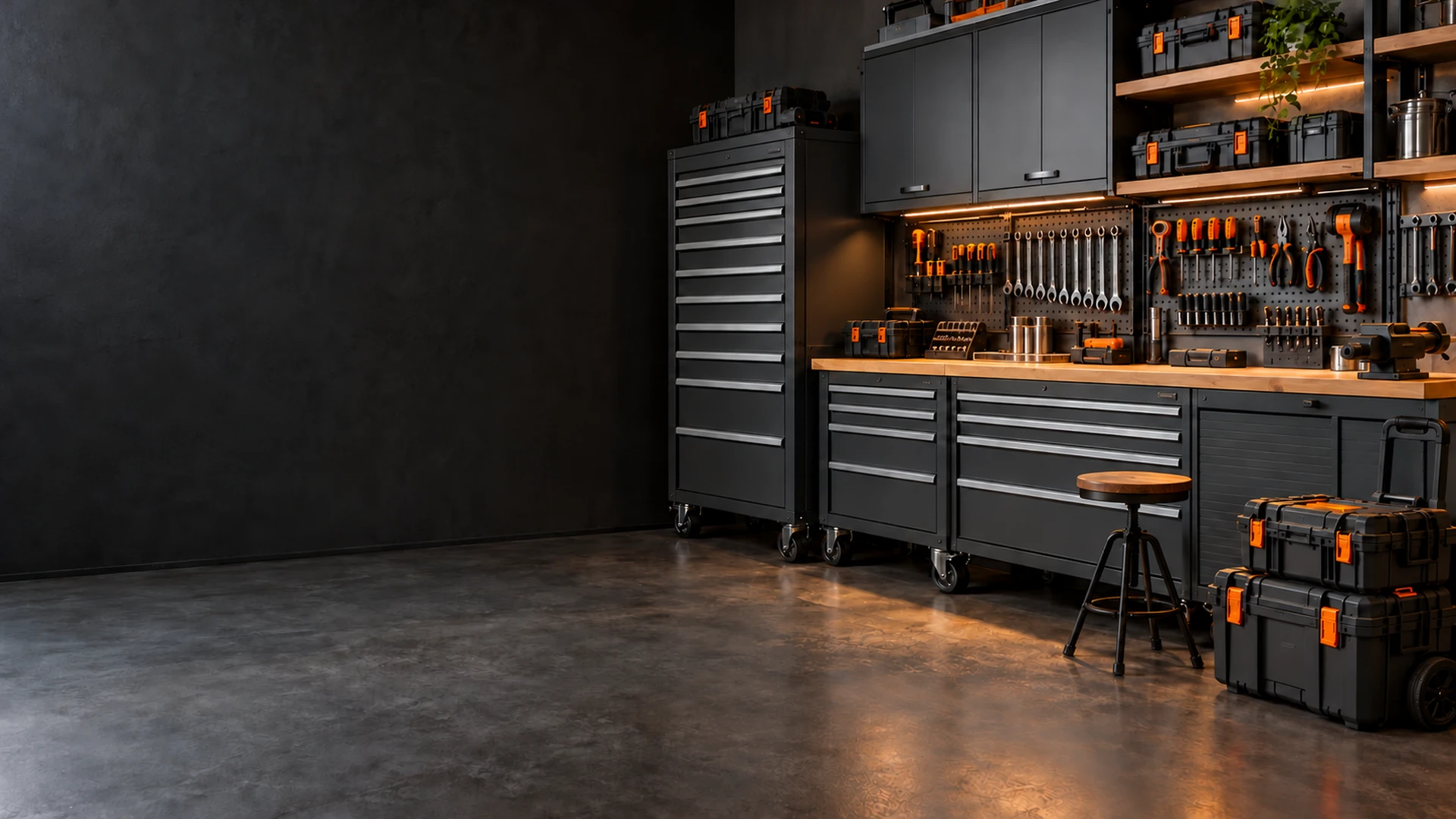
Tool Storage & Organization
Explore hub →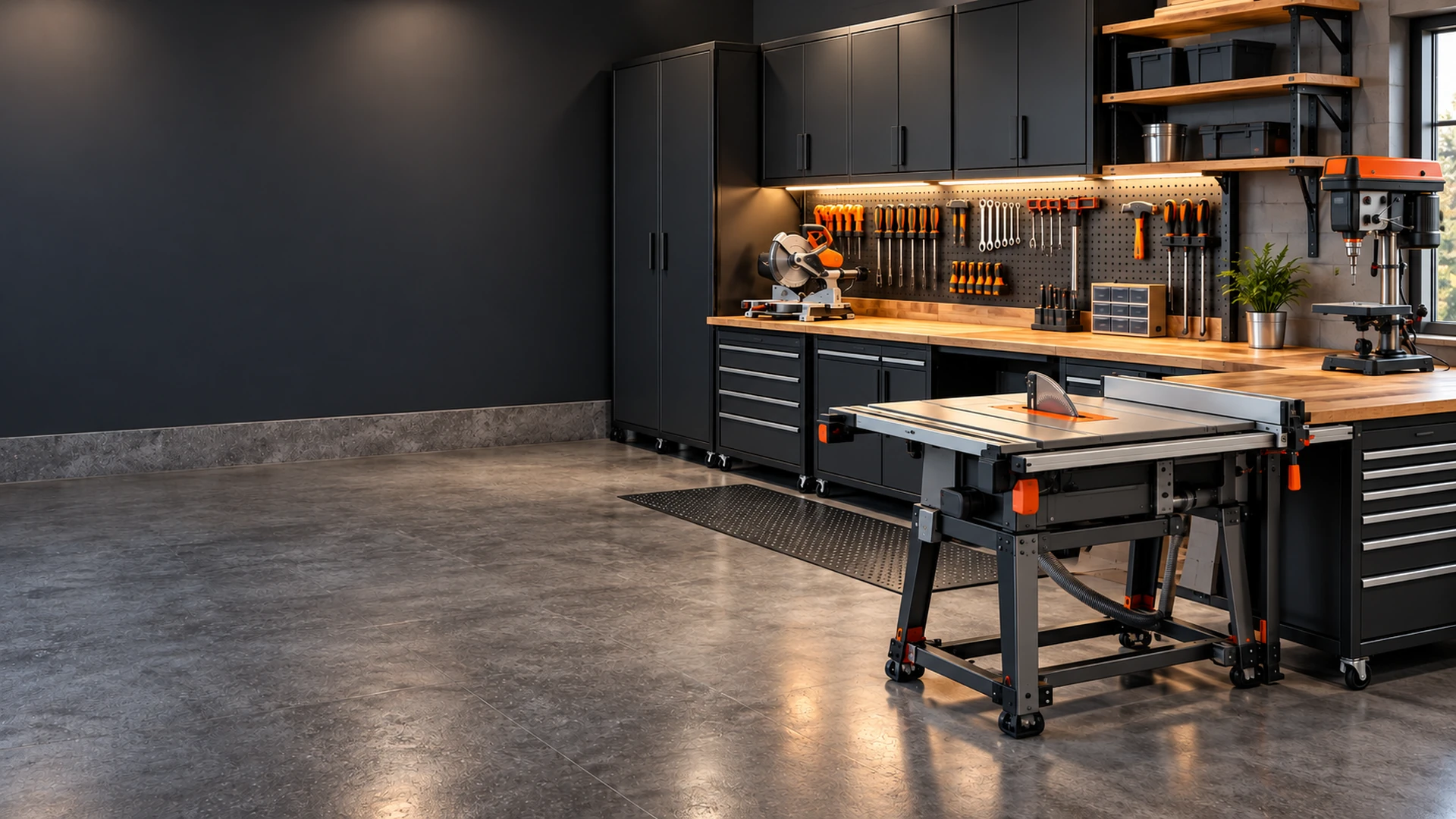
Garage & Workshop Setup
Explore hub →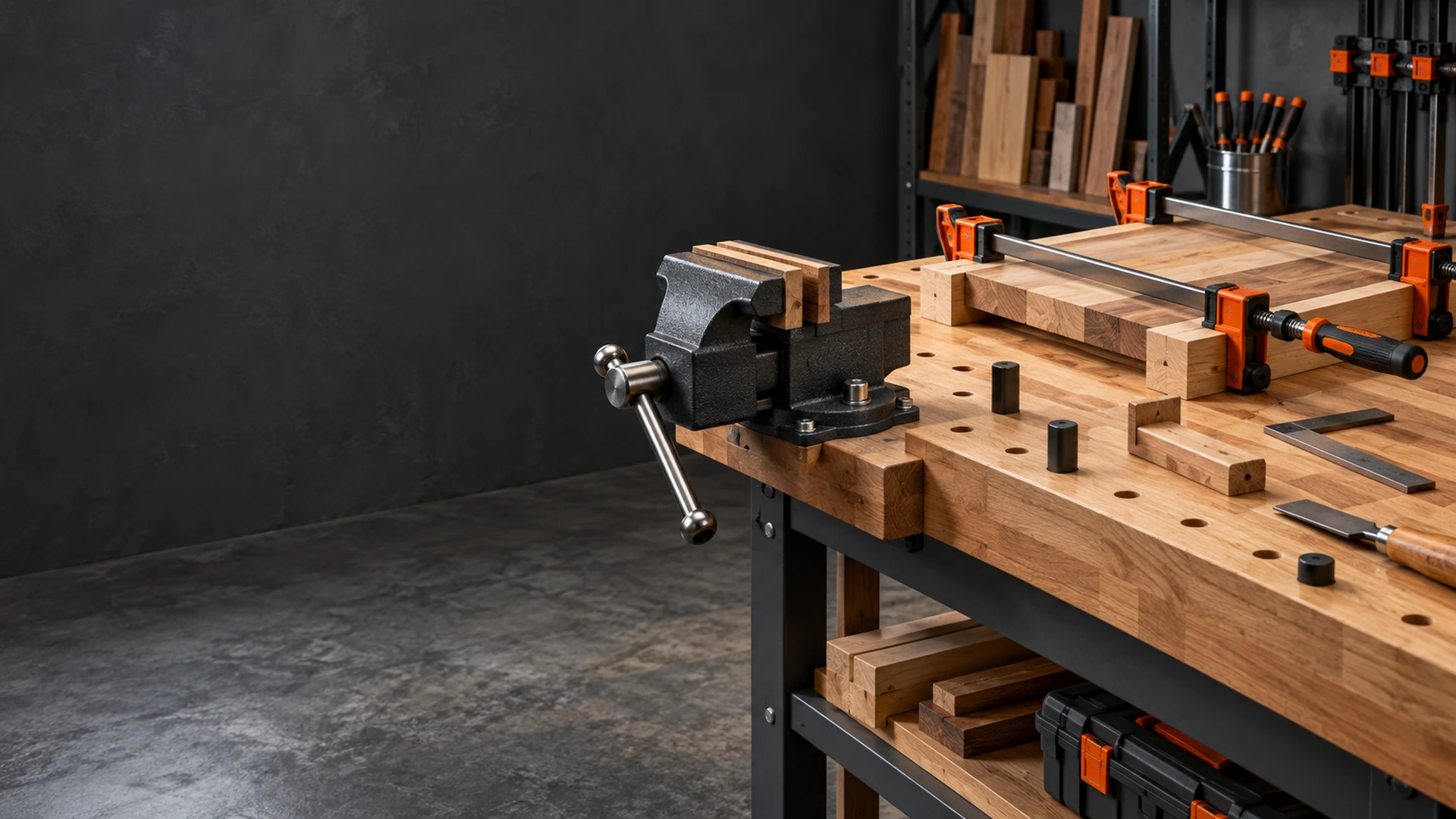
Workholding & Accessories
Explore hub →
Lighting & Electrical
Explore hub →
Workshop Machines
Explore hub →