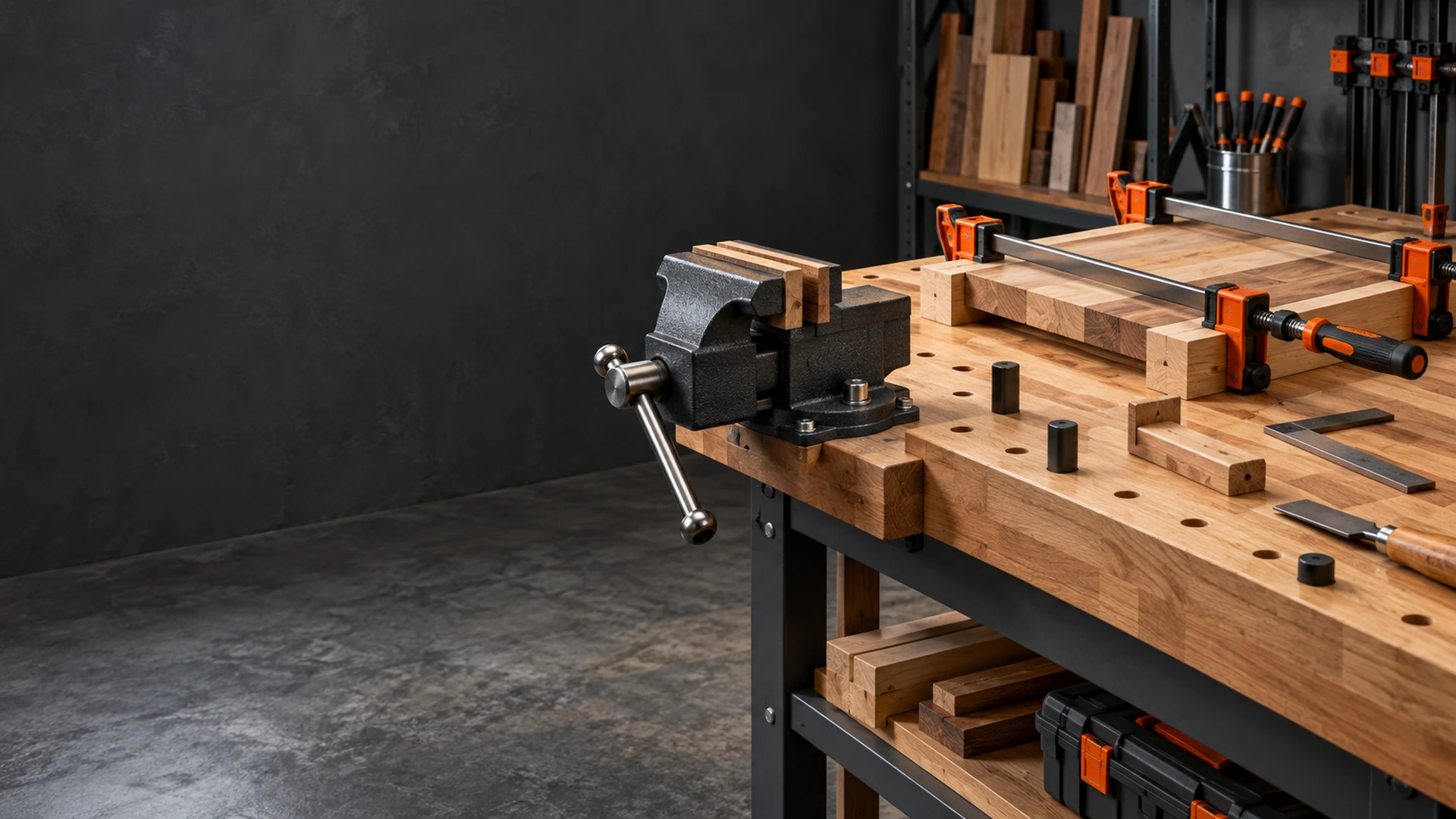
Garage & home workshop buying guides
Tool Storage & Organization
Build a storage system around how you work—not around how many drawers a product advertises. Compare rolling chests, modular cases, wall systems, and the small organizers that keep tools within reach.
Affiliate disclosure: As an Amazon Associate, WorkshopGearGuide may earn from qualifying purchases made through links on this page, at no additional cost to you.
Quick Answer: Which Tool Storage Should You Buy?
Fixed garage: start with a rolling drawer cabinet if most tools stay in one place. Travel between jobs: choose a modular case ecosystem and confirm that the drawers, cases, and carts you need connect to each other. Small workshop: use wall storage for light, frequently used tools and keep heavy items in floor-standing cabinets. Already own a chest: measure the drawers and improve organization before replacing it.
Start with the purchase decision
Four Storage Systems, Four Different Jobs
The biggest buying mistake is comparing a rolling tool chest with portable cases as though they solve the same problem. Choose the system that matches how often your tools move, how much floor space you can spare, and how you access your tools.
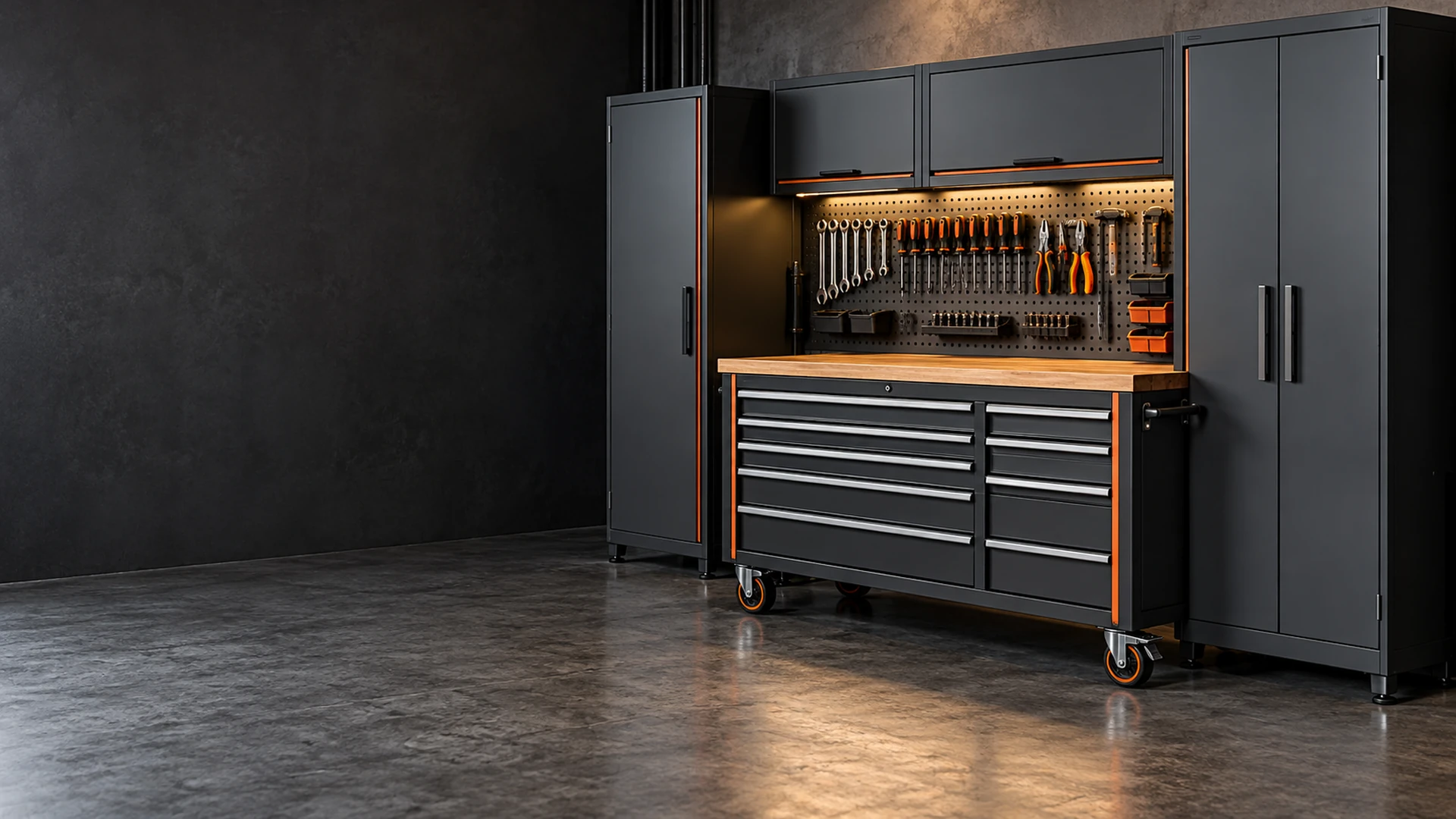
Stationary drawer storage
Best for a garage with a dedicated work area. Prioritize drawer interiors, slide ratings, casters, and the weight of the tools—not simply drawer count.
Compare rolling tool chests →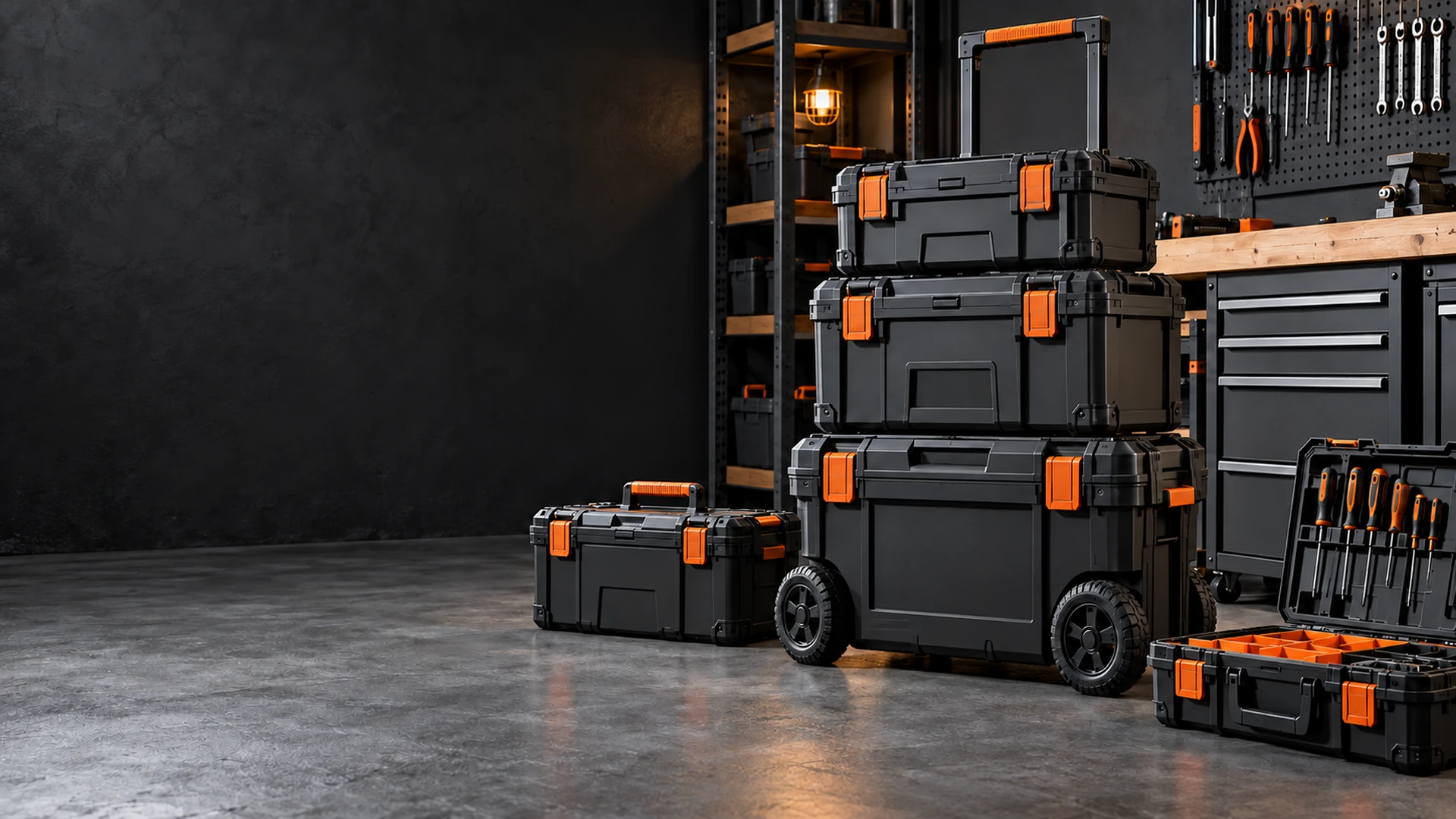
Portable modular systems
Best for transporting tools or reorganizing work areas. Confirm real compatibility within the chosen ecosystem before buying add-on modules.
Compare modular storage →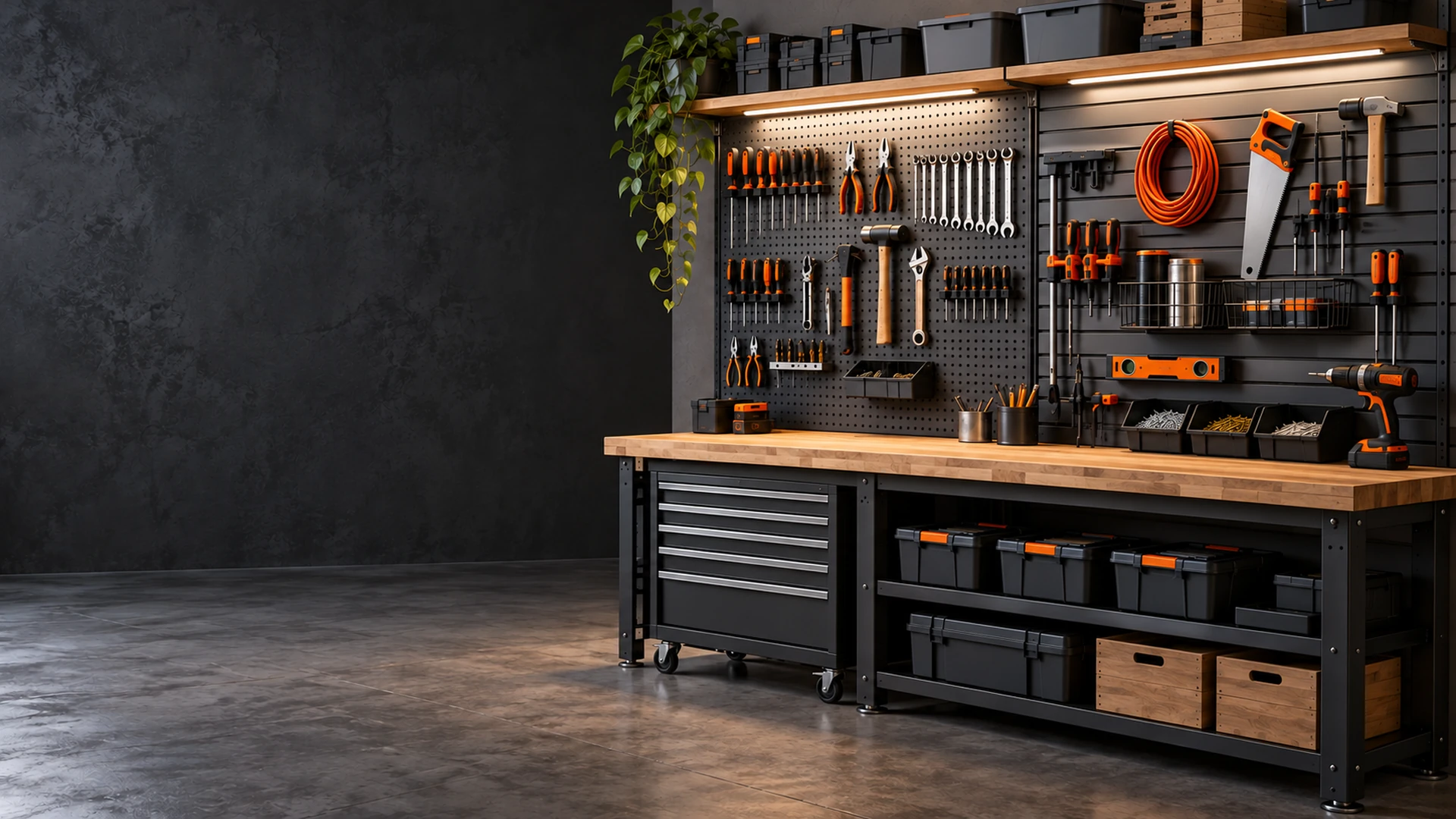
Wall-mounted organization
Best for frequently used hand tools when floor space is scarce. Installation quality and load limits matter more than the number of hooks.
Compare wall racks →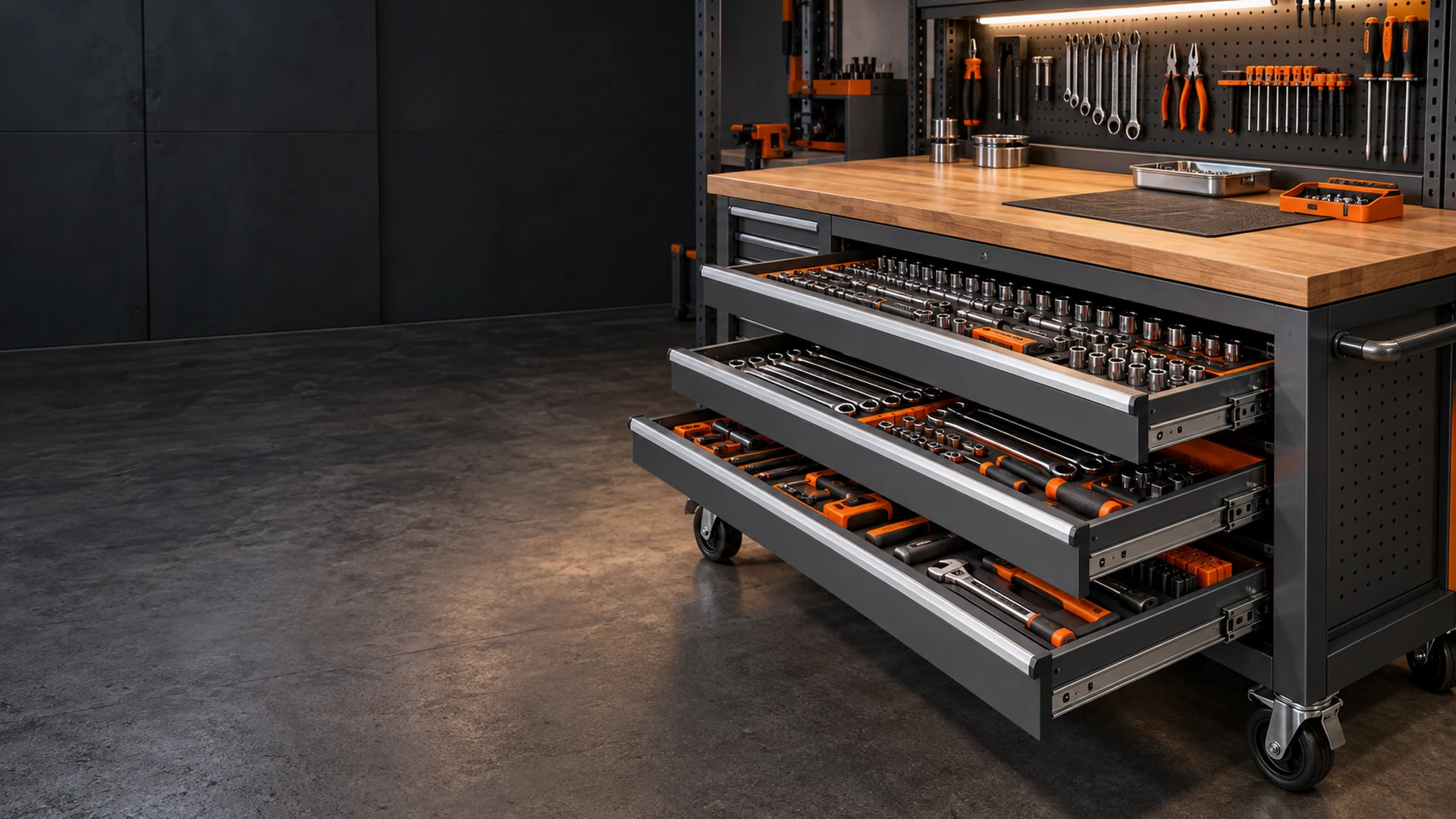
Drawer-level organization
Best when a chest is already large enough but tools are difficult to find. Measure usable drawer height, width, and depth before buying trays.
Compare drawer organizers →Practical buyer checklist
What to Measure Before Spending Money
A cabinet can look enormous in a product photo and still fail to fit a long torque wrench or leave too little space to open the bottom drawers. Use the following checks to eliminate poor fits early.
Browse the complete collection
Tool Storage Buying Guides
Sixteen focused guides organized by what you need to store and how you use your workspace. Start with a storage category, then compare the options that fit.
Rolling chests & garage cabinets
Choose permanent, high-capacity storage for a fixed workshop.
Portable & modular tool systems
Move tools between jobs and expand a compatible storage system.
Wall & overhead storage
Free up floor space and organize the tools you reach for most.
Drawer organization & charging
Make existing storage easier to use without replacing everything.
A practical workshop plan
Build Your Storage Layout in Five Steps
1. Sort by frequency of use
Place everyday tools between waist and shoulder height near the workbench. Put seldom-used supplies farther away, but keep heavy items low.
2. Measure actual tool groups
Lay out your longest hand tools, cordless tools, battery chargers, and small parts. Measure these groups before shopping for storage dimensions.
3. Reserve a safe work aisle
Mark full drawer and door swing with painter’s tape. Check that you can still move materials and reach exits without stepping around an open drawer.
4. Choose an expansion path
Buy a core cabinet or modular platform only after checking whether the matching add-ons solve future needs. Avoid purchasing a proprietary ecosystem on the strength of one case.
5. Plan mounting and power
Locate structural supports, outlets, and chargers before fixing racks or cabinets. Follow manufacturer instructions for anchoring, ventilation, and electrical use.
For broader planning, see the garage workshop setup and workbenches and workstations hubs.
Choose by the problem you need to solve
Need to stop digging through drawers? Start with drawer organizers. Moving tools between locations? Start with modular tool storage. Out of floor space? Compare wall-mounted racks before adding another floor cabinet.
Common questions
Tool Storage FAQs
What is the best tool storage system for a small garage?
Start with the floor area and wall construction. A compact rolling chest can hold heavy tools, while a wall rack or pegboard keeps frequently used lighter tools accessible. Measure full drawer extension and walkway clearance before buying.
Are rolling tool chests or modular toolboxes better?
A rolling chest generally makes more sense for tools that stay in one workshop. Modular toolboxes make sense when tools travel or when you need portable, task-specific kits. Their cost and weight can rise quickly as you add modules.
How many drawers should a tool chest have?
There is no useful universal number. Inventory your tools, measure the longest items and tallest sockets, and choose drawer heights and widths that fit those groups. More shallow drawers are not always better than fewer deeper drawers.
Can different modular toolbox brands connect together?
Do not assume they can. Stackable connections, latches, rails, and mounting plates are often proprietary. Verify compatibility by exact model and generation before purchasing add-ons.
Should I buy wall storage or a cabinet first?
For heavy tools, begin with a stable floor-standing unit. For frequently used lightweight hand tools in a tight workspace, properly mounted wall storage can be a more efficient first upgrade.
Is overhead garage storage safe for heavy tools?
Overhead storage requires special care. Follow the product’s rated load and fastening requirements and confirm that the ceiling structure supports the installation. Store frequently used or very heavy tools at accessible lower heights.
Continue building the workshop
Related Workshop Equipment Hubs
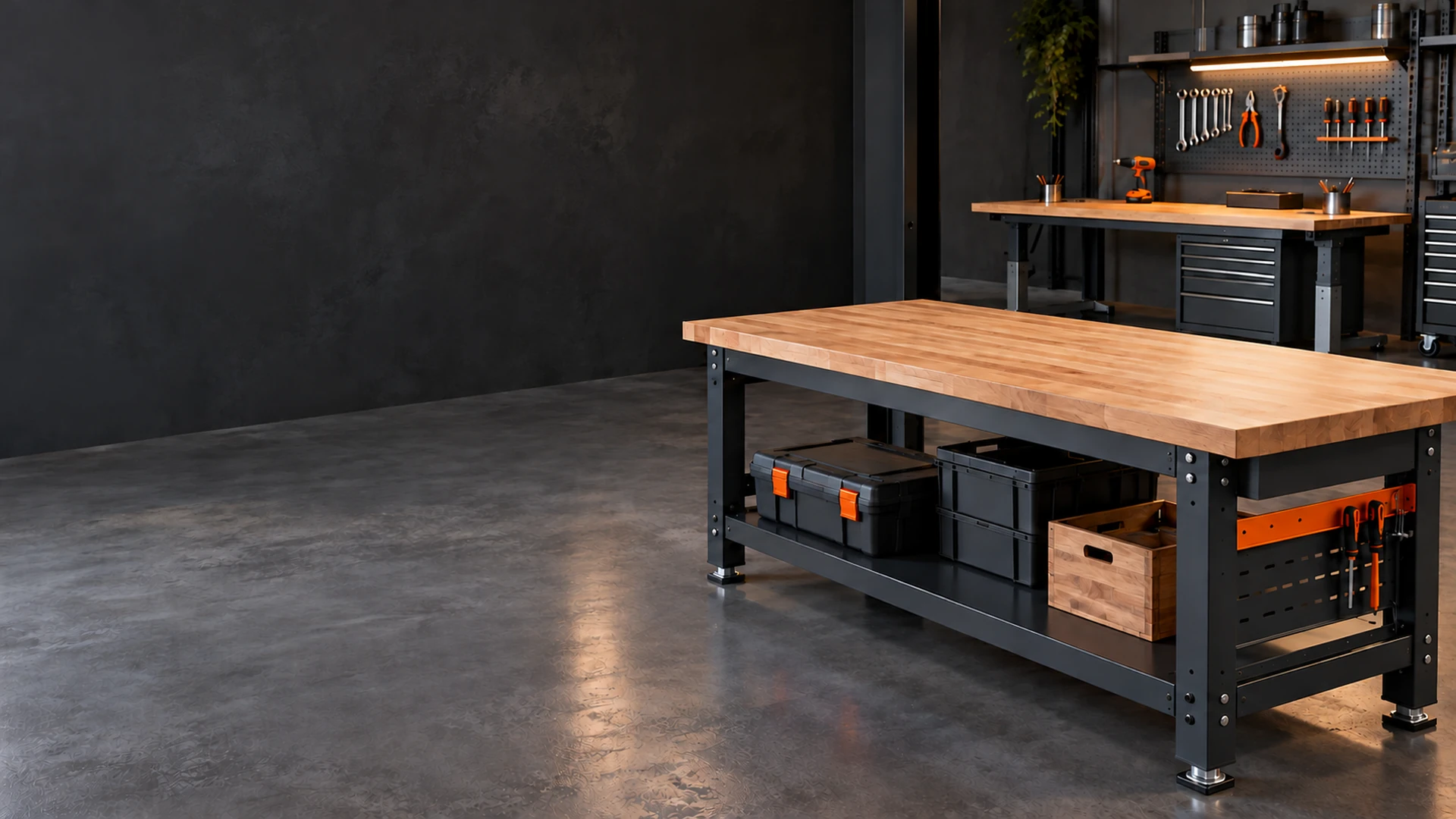
Workbenches & Workstations
Explore hub →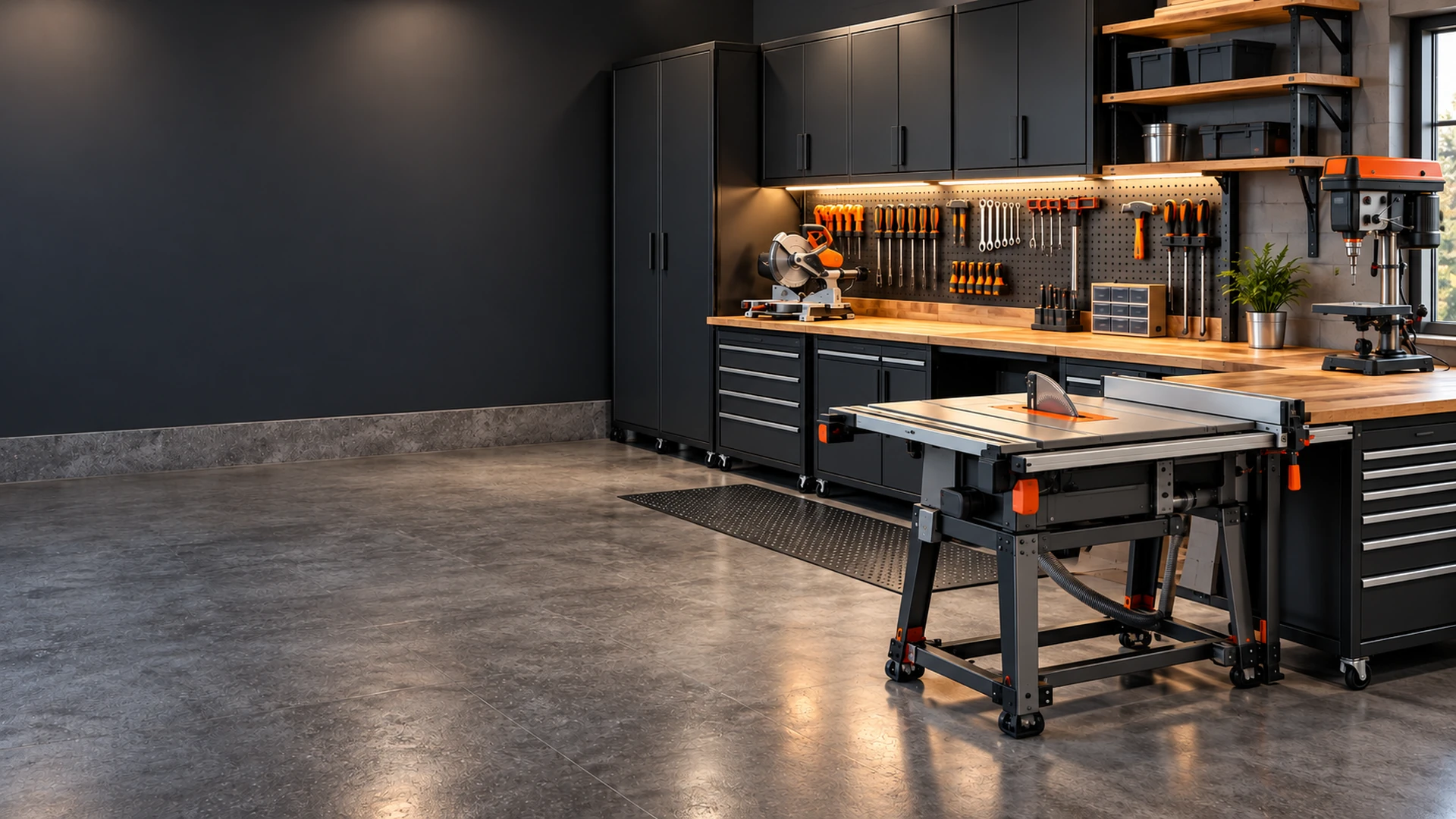
Garage & Workshop Setup
Explore hub →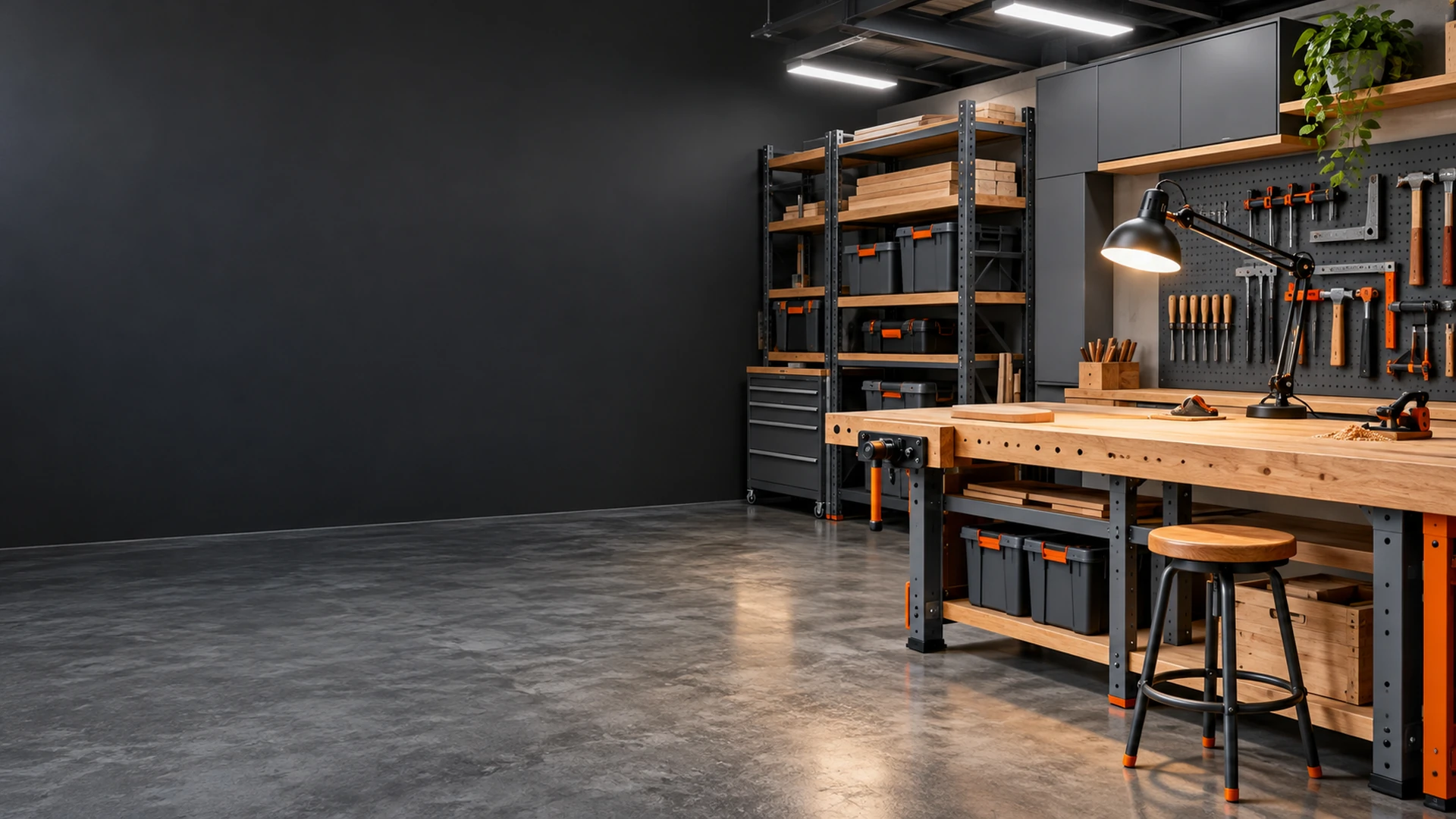
Workshop Lighting & Electrical
Explore hub →
Dust Collection & Air Quality
Explore hub →
Workshop Machines
Explore hub →