
Best Dust Collection Ducting for Woodworking Shops
Compare rigid metal pipe, modular duct, PVC approaches and flexible hose for woodworking dust collection. Choose by airflow resistance, diameter, routing and installation needs.
Browse Ducting OptionsCompare OptionsAffiliate disclosure: As an Amazon Associate, WorkshopGearGuide may earn from qualifying purchases made through qualifying links, at no additional cost to you. Retailer specification links below are provided for verification and are not represented as Amazon offers.
Quick answer
Start with collector airflow and the machine port sizes. Use smooth rigid pipe for longer mains where practical, short flexible hose for machine drops, and matched elbows, Y fittings and reducers for branches. Verify real inside and outside diameters.
Compare dust collection ducting
These options cover rigid mains, modular steel systems, PVC and flexible machine drops. Published nominal diameters may differ from actual mating dimensions.
| Ducting / best fit | Nominal diameter | Construction | Main consideration | Shop Options |
|---|---|---|---|---|
| Oneida Air Systems 4-Inch Snap-Lock Pipe Rigid metal mains | 4-inch nominal | Snap-lock steel | Straight main runs | Check Prices |
| Nordfab Quick-Fit Ductwork Modular professional | Size varies | Clamp-together duct | Reconfigurable layouts | Check Prices |
| POWERTEC 4-Inch Clear Flexible Dust Hose Flexible machine drops | 4-inch nominal | Corrugated flexible | Moving machine ports | Check Prices |
| Oneida Air Systems 4-Inch Ductwork Components Matched metal system | 4-inch nominal | Metal elbows and pipe | System extensions | Check Prices |
| Clear Vue Cyclones PVC Ducting Approach Smooth-wall DIY runs | Varies by design | Rigid PVC pipe | Custom DIY mains | Check Prices |
| Woodstock 4-Inch Clear Flexible Hose Budget flexible branch | 4-inch nominal | Corrugated flexible | Short branch hookups | Check Prices |
Amazon links are product-category searches. Specific models sold by exclusive retailers may not be available on Amazon; verify model numbers before purchasing.
Detailed product evaluations
Six distinct options cover basic manual, smaller-diameter, rigid and flexible branches. These are specification-led buying assessments, not hands-on leakage or airflow tests.
Oneida Air Systems 4-Inch Snap-Lock Pipe
Configuration: 4-inch nominal; snap-lock steel
Published configuration: 4-inch nominal ducting using snap-lock steel. Verify exact model, fitting dimensions and installation requirements.
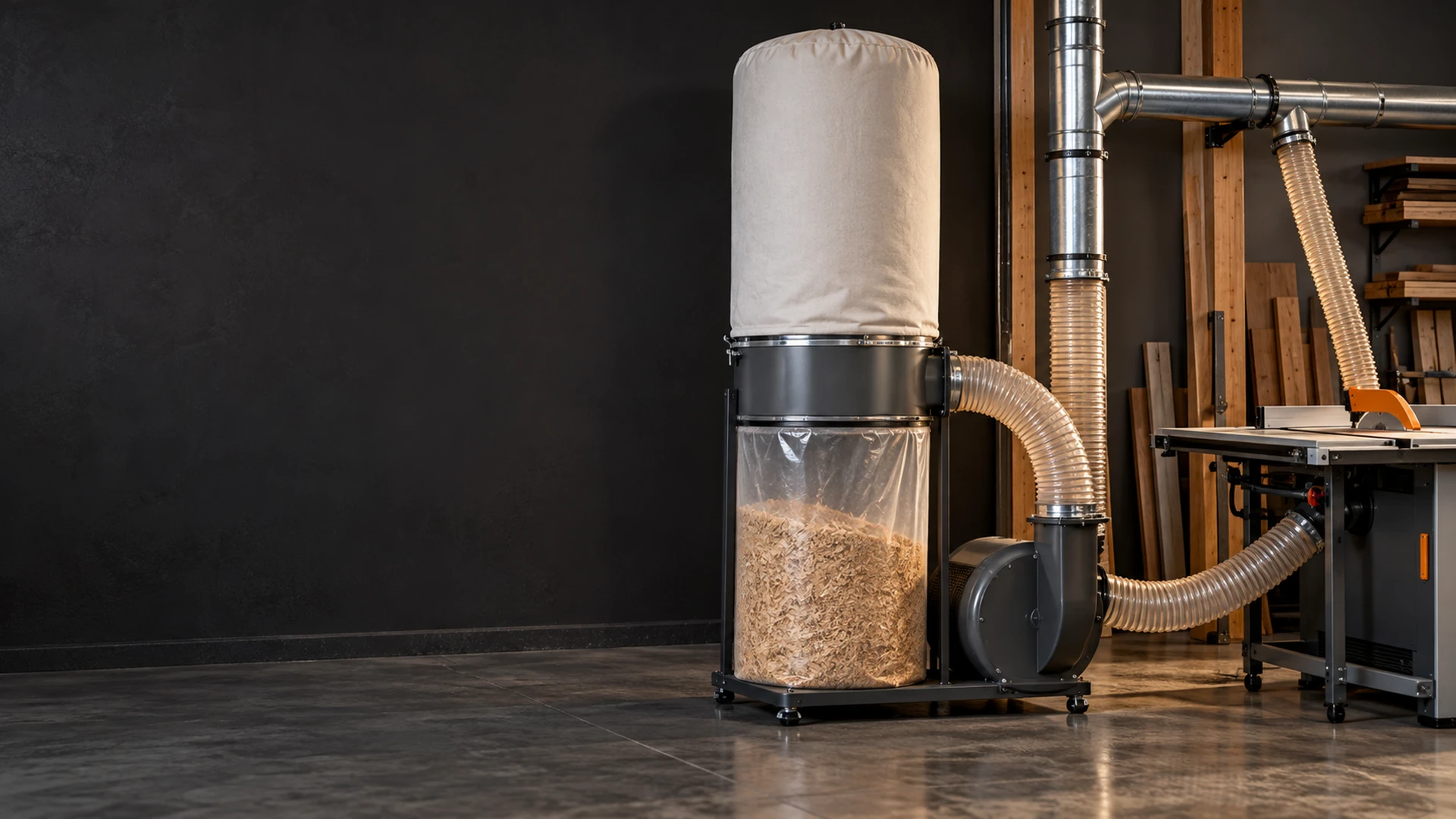
Rigid galvanized snap-lock pipe is a practical alternative to long flex hose for fixed woodworking collector runs. Plan for seams, supports, elbows and matching fittings.
Why consider it: Smooth rigid runs can reduce friction compared with extended corrugated hose.
Trade-off: Seams, joints and support spacing need careful installation.
Best suited to: Permanent collector trunk lines.
Nordfab Quick-Fit Ductwork
Configuration: Size varies; clamp-together duct
Published configuration: Size varies ducting using clamp-together duct. Verify exact model, fitting dimensions and installation requirements.
Clamp-together duct is designed for repeated assembly and changes, but it is a different system from basic snap-lock pipe. Verify exact diameters, clamps, seals and grounding guidance.
Why consider it: Convenient reconfiguration for changing machine layouts.
Trade-off: Higher upfront cost and proprietary connection hardware.
Best suited to: Growing professional shops.
POWERTEC 4-Inch Clear Flexible Dust Hose
Configuration: 4-inch nominal; corrugated flexible
Published configuration: 4-inch nominal ducting using corrugated flexible. Verify exact model, fitting dimensions and installation requirements.
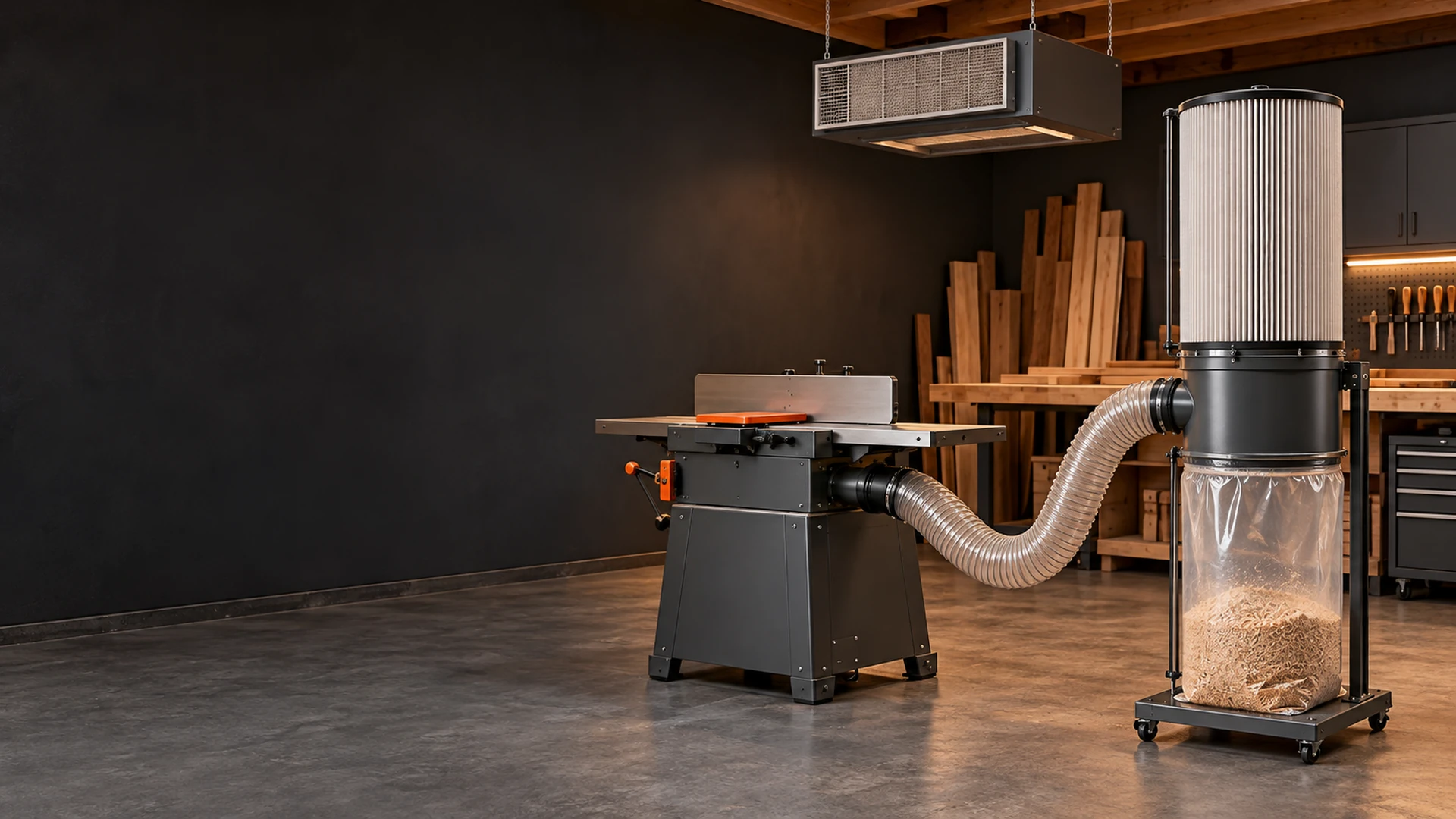
Clear flexible hose helps connect machines that vibrate or shift. Keep the run short and supported to limit sagging and pressure loss.
Why consider it: Easy routing around equipment and visible chip buildup.
Trade-off: Long corrugated runs add resistance and may kink.
Best suited to: Short machine connections.
Oneida Air Systems 4-Inch Ductwork Components
Configuration: 4-inch nominal; metal elbows and pipe
Published configuration: 4-inch nominal ducting using metal elbows and pipe. Verify exact model, fitting dimensions and installation requirements.
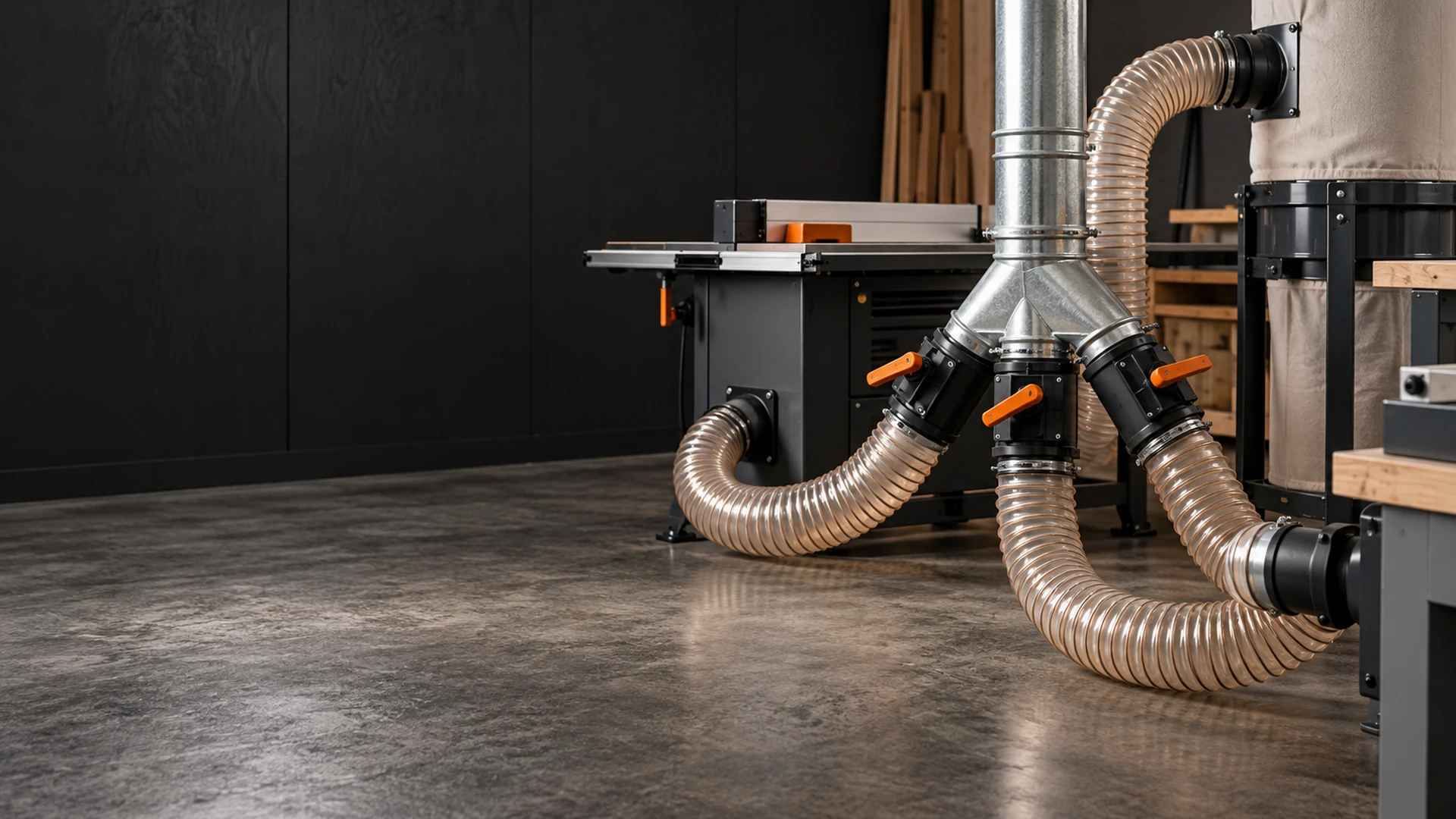
Matched metal components help build a coherent branch network. Confirm every transition, Y fitting and elbow against the collector and machine port sizes.
Why consider it: Coordinated fittings simplify planning for a fixed layout.
Trade-off: Requires layout planning and accurate measurements.
Best suited to: Multi-machine shop layouts.
Clear Vue Cyclones PVC Ducting Approach
Configuration: Varies by design; rigid pvc pipe
Published configuration: Varies by design ducting using rigid pvc pipe. Verify exact model, fitting dimensions and installation requirements.
Smooth-wall PVC pipe is used in some hobby installations, but its use requires attention to local code, static management, support and actual inside diameter.
Why consider it: Smooth interior and accessible hardware-store components.
Trade-off: Static and fire-code considerations; not suitable for every setting.
Best suited to: DIY layouts after safety review.
Woodstock 4-Inch Clear Flexible Hose
Configuration: 4-inch nominal; corrugated flexible
Published configuration: 4-inch nominal ducting using corrugated flexible. Verify exact model, fitting dimensions and installation requirements.
Flexible dust-collection hose can bridge machine ports and fixed duct. Compare wall thickness, flexibility, actual cuff fit and supported length.
Why consider it: Simple way to connect a machine without rigid alignment.
Trade-off: Not ideal as a long main trunk due to corrugation.
Best suited to: Budget machine hookups.
Six checks before installing dust collection ducting
Include caster swing, side handle, drawer extension and enough aisle clearance to stand in front of an open drawer.
Match duct diameter to collector capacity and machine needs; a reducer cannot increase available airflow.Count long breaker bars, sockets, organizers, cordless tools and cases. A high port size does not guarantee useful depth.
Use smooth rigid pipe for longer runs where feasible; corrugated hose increases resistance.Cabinet working load, gate-slide capacity and storage volume are different. Confirm how each manufacturer defines them.
Favor gradual bends and Y branches over abrupt turns that increase pressure losses.A solid wood worktop supports light assembly; a ductwork may be better under a separate bench; a top chest adds height.
Provide hangers and strain relief so duct weight does not load machine ports.Check shipping weight, ramps, doorways, floor level and caster locks. Heavy loaded cabinets are not meant to be casually pushed around.
Use short flexible sections where movement and vibration demand them.Compare lock replacement, drawer slides, warranty, compatible top chests and local parts availability before committing.
Follow manufacturer instructions and applicable rules for dust, grounding and duct materials.How to choose dust collection ducting
Rigid metal versus flexible hose
Rigid smooth pipe is generally preferable for long mains; flexible hose is useful for short moving connections.
Diameter and airflow
Avoid undersizing trunk lines. Consider the collector fan curve, duct length, number of branches and machine requirements.
Modular versus permanent systems
Clamp-together systems simplify changes; snap-lock metal pipe can cost less but requires careful joining and support.
Fittings and maintenance
Use compatible Y branches, elbows and couplers. Include cleanout access and inspect joints for leaks.
Compare current dust collection ducting options
Check actual pipe and fitting dimensions, pressure-loss considerations, and installation guidance before selecting a ducting system.
Compare Ducting OptionsCompare Duct FittingsHow we compared dust collection ducting
This is a published-specification comparison, not a controlled test of duct pressure loss or dust capture.
What we checked, and what we did not
We compared material, nominal diameter, rigid versus flexible construction, installation complexity and suitability for main trunks or machine drops.
Not hands-on tested: We did not measure pressure loss, leakage, dust transport or static buildup. Confirm safety and installation guidance for your system.
What matters most
- Fit: verify the real outside and inside port dimensions.
- Airflow: keep duct size and collector requirements aligned.
- Operation: choose manual, smooth-wall or automated deliberately.
- Maintenance: allow access to the slide and chip trap.
- Controls: check automation and wiring compatibility.
Duct diameter: three useful geometry comparisons
These areas are geometric examples only. Actual flow depends on fan pressure, duct length, elbows, flex hose, leaks and fittings.
These areas are geometric examples only. Actual flow depends on fan pressure, duct length, elbows, flex hose, leaks and fittings.
Which dust collection ducting fits your workshop?
Choose rigid mains for longer fixed runs and short flexible drops where machines need movement.
A fixed metal trunk can keep long runs smoother and easier to support.
Review this configurationClamp-together sections are useful when machines move or the shop expands.
Review this configurationUse a short flexible hose between rigid duct and the machine port.
Review this configurationA DIY PVC approach demands careful safety and code review before installation.
Review this configurationFive dust collection ducting mistakes to avoid
Use smooth rigid pipe for longer mains where practical; long flex runs add friction.
Check actual inside and outside diameters and how couplers fit.
Reduce abrupt turns and unnecessary reducers to preserve useful airflow.
Support the duct and leave access for blockages and joint inspection.
Follow collector and duct manufacturer guidance and applicable local code, especially for combustible dust.
Dust collection ducting FAQs
Is rigid pipe better than flexible dust collection hose?
Rigid smooth-wall pipe generally creates less resistance over long runs. Short flexible drops are still useful where machines move.
What size duct should a woodworking dust collector use?
Match the collector and machine specifications. Four-inch branches are common in small shops, but larger systems may need wider mains.
Can I use PVC pipe for dust collection?
Some DIY systems use PVC, but check applicable code, combustible-dust and static considerations, and manufacturer guidance before choosing it.
Does duct length reduce dust collection performance?
Yes. Longer runs and additional elbows create resistance; actual impact depends on the fan and entire system.
Should I use Y fittings or T fittings?
Gradual Y branches usually produce a smoother flow path than abrupt T intersections.
How much flexible hose should I use?
Keep flexible sections as short as practical while allowing safe machine movement and access.
Do all 4-inch dust collection fittings connect directly?
No. Nominal sizes do not guarantee matching outside diameters or cuff geometry. Measure and use compatible couplers.
Related workshop guides
Research notes & specification sources
Research approach: This editorial comparison relies on product categories and published manufacturer information. Port measurements and exact model availability should be checked before ordering. No hands-on airflow testing was conducted.
Representative primary sources used for the comparisons and calculations:
- POWERTEC product catalog: flexible dust collection hose and fittings.
- Nordfab catalog: clamp-together modular duct systems.
- Oneida Air Systems catalog: metal ductwork and collector fittings.
External source links are informational. Affiliate buttons on this page link to Amazon searches and may show alternative products rather than the exact retailer-exclusive model discussed.